Highway Robbery Turned Championship Gold: The Trades That Made GMs Look Like Geniuses Three Years Later

There's nothing quite like watching a general manager get absolutely torched for a trade, only to watch that same deal deliver a championship ring a few years later. These aren't your typical "win-win" trades—these are the deals that had fans burning jerseys and calling for front office heads, only to become the foundation stones of championship dynasties.
Sometimes the best moves are the ones that make you the most hated person in your city for exactly 36 months.
The Kawhi Leonard Heist That San Antonio Still Can't Discuss
When the Toronto Raptors traded DeMar DeRozan, Jakob Poeltl, and a protected first-round pick for one year of Kawhi Leonard in July 2018, the basketball world collectively lost its mind. Toronto had just traded away the most beloved player in franchise history for a guy who'd sat out almost an entire season due to mysterious quad issues.
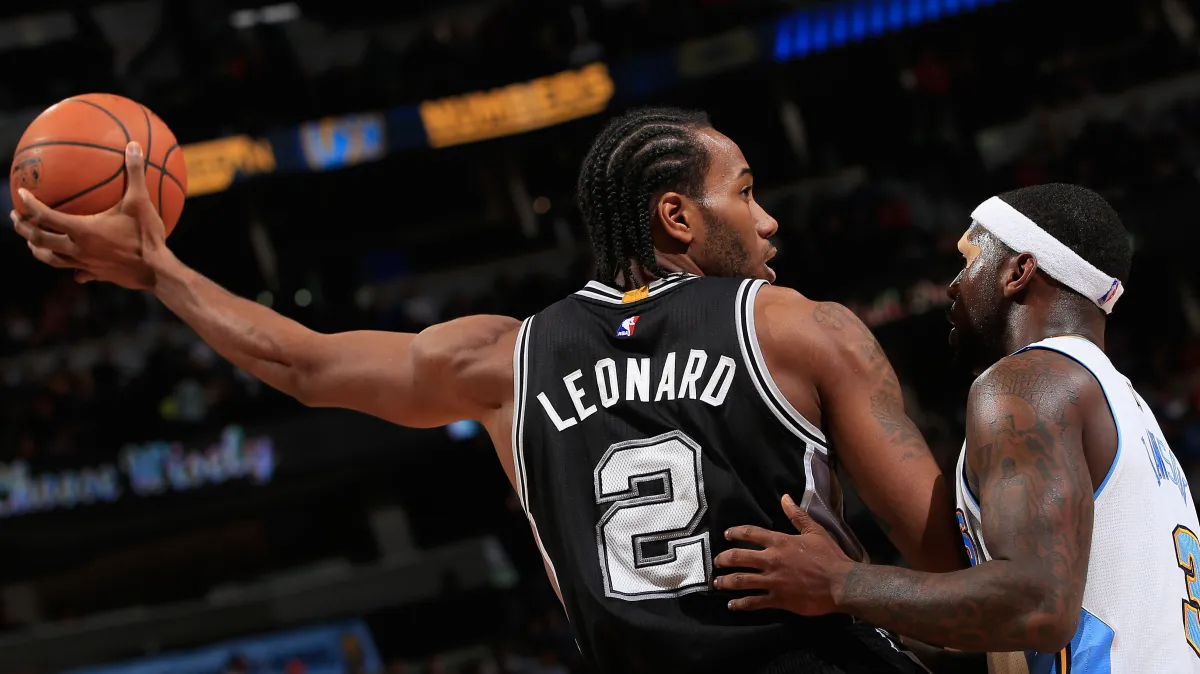 Photo: Kawhi Leonard, via heavy.com
The hot takes were nuclear. "Toronto just mortgaged their future for a rental." "Kawhi will never stay in Canada." "This is the most desperate move in NBA history."
Fast-forward to June 2019: Kawhi Leonard is hitting impossible shots over Joel Embiid and Giannis Antetokounmpo, carrying the Raptors to their first championship in franchise history. That "rental" delivered the most important 12 months in Toronto basketball history, turning the entire country into basketball fanatics and giving Canada its first NBA title.
Sure, Kawhi left for Los Angeles afterward, exactly like everyone predicted. But here's the thing about championship banners—they hang forever. Masai Ujiri turned one season into immortality, and suddenly that "terrible" trade looked like the greatest calculated risk in sports history.
When Boston Stole a Championship From Brooklyn
The 2013 trade that sent Paul Pierce and Kevin Garnett to Brooklyn seemed like highway robbery—for the Nets. Boston was getting three unprotected first-round picks and the right to swap picks in two other years, all for aging veterans who looked like they had maybe one good season left.
Brooklyn was supposed to be building a superteam. The Nets had moved to a shiny new arena, assembled a collection of aging All-Stars, and were ready to buy their way to a championship. Meanwhile, Boston looked like they were tanking and hoping for lottery luck.
The basketball media ate it up. "The Celtics just gave away their championship window." "Danny Ainge got fleeced by a team desperate to make a splash." "This trade will haunt Boston for a decade."
Except those draft picks turned into Jaylen Brown and Jayson Tatum, two cornerstone pieces who led Boston to multiple Eastern Conference Finals and an NBA championship in 2024. Meanwhile, Brooklyn's superteam experiment crashed and burned so spectacularly that they spent years trying to recover from the salary cap damage.
Ainge didn't just win that trade—he turned it into a blueprint for how to rebuild a franchise while your rivals mortgage their future for immediate gratification.
The Jimmy Butler Deal That Made Miami Dangerous Again
When the Miami Heat traded Josh Richardson, a protected first-round pick, and the rights to a second-round pick for Jimmy Butler in the summer of 2019, the reaction was lukewarm at best. Miami was giving up a promising young player and draft capital for a 30-year-old with a reputation for causing locker room drama.
The skepticism was everywhere. "Butler has burned bridges in Chicago, Minnesota, and Philadelphia—why would Miami be different?" "Richardson is younger and cheaper, and the Heat just gave up their future flexibility." "This is exactly the kind of win-now move that backfires spectacularly."
Then Butler turned into the perfect embodiment of Heat Culture. He dragged Miami to the NBA Finals as a sixth seed in the 2020 bubble, nearly upsetting the Lakers despite being massive underdogs. His leadership and playoff performances transformed the Heat from a middling team into a perennial threat.
Pat Riley had seen something in Butler that three other organizations couldn't figure out how to harness—a player whose intensity and competitiveness could elevate everyone around him. The trade didn't just work; it reminded everyone why Miami has been one of the most successful franchises of the past two decades.
When the Rams Bet Everything on a Quarterback
The 2021 trade that sent Jared Goff, two first-round picks, and a third-round pick to Detroit for Matthew Stafford looked like desperation from a Los Angeles Rams team that couldn't get over the hump. Goff had just led the team to a Super Bowl appearance three years earlier, and now they were giving up significant draft capital for a quarterback who'd never won a playoff game.
The criticism was immediate and harsh. "The Rams just traded away their future for a lateral move at quarterback." "Stafford couldn't win with Calvin Johnson—what makes LA think he can win with Cooper Kupp?" "This is exactly the kind of all-in move that destroys franchises."
One year later, Stafford was holding the Lombardi Trophy at SoFi Stadium after leading the Rams to their first Super Bowl victory since returning to Los Angeles. His playoff performance was everything Detroit fans had dreamed of seeing for 12 years, and suddenly that "lateral move" looked like the missing piece of a championship puzzle.
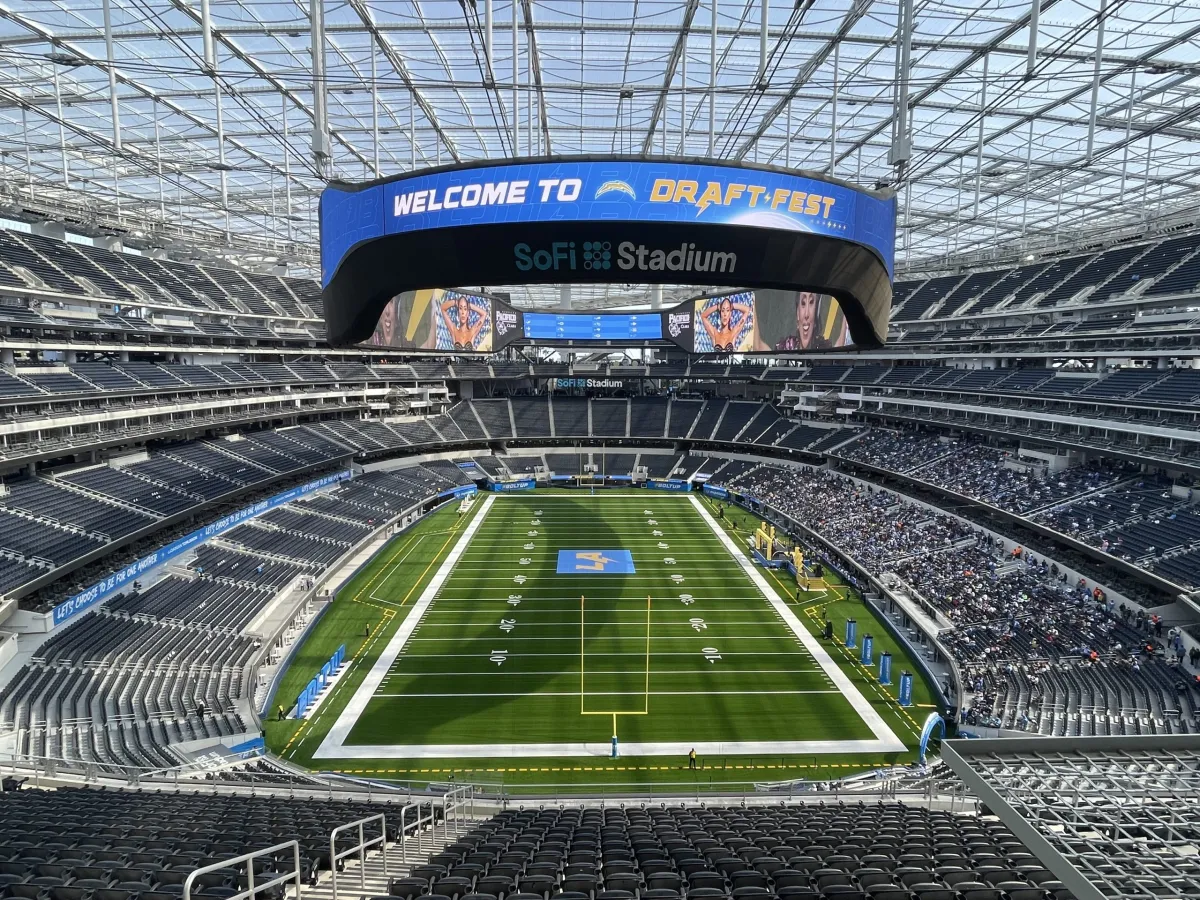 Photo: SoFi Stadium, via www.accoes.com
Sean McVay and Les Snead had identified the one thing holding their team back and fixed it with surgical precision. Sometimes the difference between good and great is recognizing that you're one player away from immortality.
The Mookie Betts Trade That Broke Boston's Heart and LA's Drought
When the Los Angeles Dodgers acquired Mookie Betts and David Price from the Boston Red Sox in February 2020, the baseball world was stunned. Boston was trading away a 27-year-old MVP and former World Series champion, essentially for salary relief and prospects.
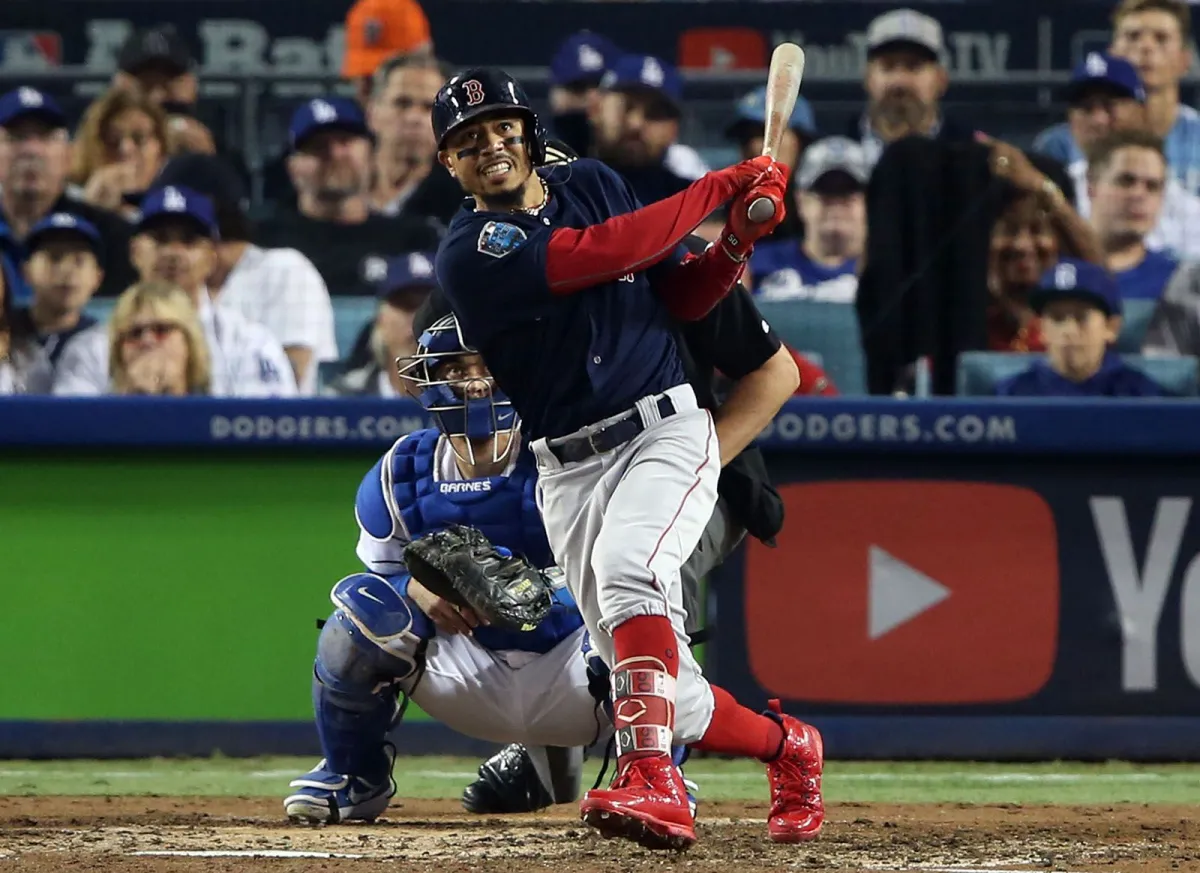 Photo: Mookie Betts, via cdn.britannica.com
Red Sox fans were furious, and rightfully so. "How do you trade the best player in franchise history since Ted Williams?" "The Dodgers just got a Hall of Famer for pennies on the dollar." "This trade will haunt Boston for the next decade."
Two years later, Betts was celebrating the Dodgers' first World Series championship since 1988, playing a crucial role in ending one of the longest droughts in baseball. His presence transformed LA from perennial playoff disappointments into world champions, proving that sometimes you have to pay premium prices for premium talent.
The Dodgers didn't just trade for a player—they traded for a culture changer who helped deliver the championship that had eluded the organization for over three decades. Meanwhile, Boston watched their former MVP celebrate in Dodger blue, a painful reminder of what happens when financial considerations override championship aspirations.
The Common Thread: Vision Over Immediate Gratification
These trades share a crucial element: they were all made by front offices that could see three moves ahead while everyone else was focused on the immediate aftermath. The GMs who pulled these deals off understood something that the critics didn't—sometimes you have to endure short-term pain for long-term glory.
The lesson isn't that every controversial trade will work out—plenty of them crash and burn spectacularly. The lesson is that championship-level decision-making often looks crazy in the moment because it requires seeing possibilities that others can't imagine.
Every one of these deals was roasted by experts who knew exactly why they wouldn't work. But the executives who made them understood their teams, their windows, and their opportunities better than any outside observer ever could.
That's what separates good front offices from great ones—the willingness to endure criticism in pursuit of championships. Because at the end of the day, nobody remembers the hot takes. They only remember the banners.