Crowd Noise vs. Cold Focus: Does Home Advantage Actually Win Games Anymore?
Crowd Noise vs. Cold Focus: Does Home Advantage Actually Win Games Anymore?
Let's settle something right away: home advantage is real. It has always been real. The question — and it's one worth arguing about — is whether it still works the same way it used to, or whether the modern elite athlete has fundamentally changed the equation.
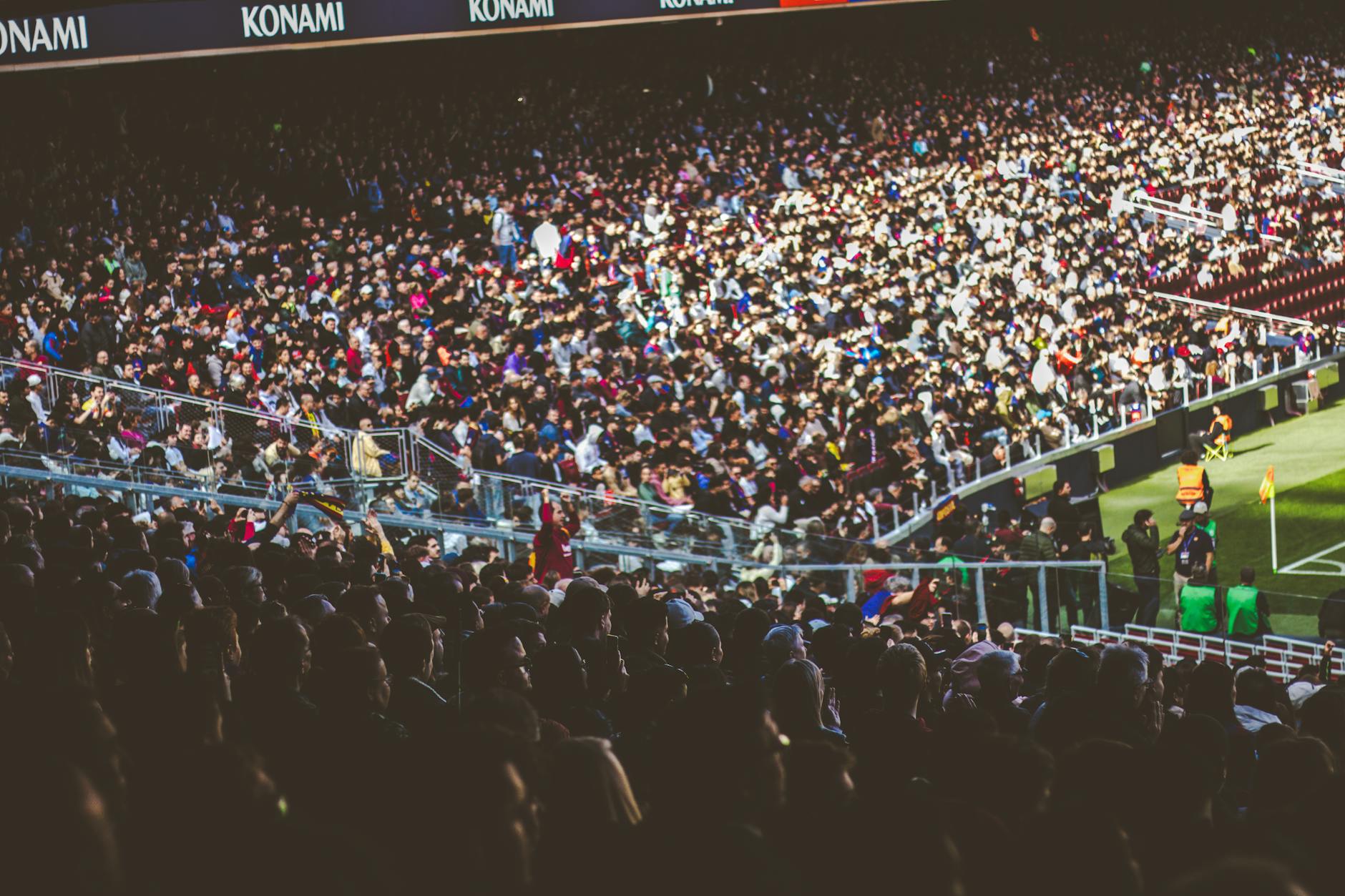
Because here's what's true in 2025: arenas are louder, fan sections are more organized and more intense, and the social media amplification of home crowd moments has made the idea of home advantage bigger than it's ever been. And yet, some of the most clutch performances in recent memory have happened in the most hostile road environments imaginable. So which is it?
Let's get into it.
The NFL: Where Home Field Still Has Real Weight
If you want a sport where home advantage feels genuinely significant, the NFL is your strongest case. The noise factor in professional football is different from almost any other sport — it directly interferes with the opposition's ability to communicate at the line of scrimmage. You can see it. Offensive linemen miscommunicating assignments, quarterbacks unable to audible, snap count confusion causing false starts. These aren't abstract psychological effects. They're concrete, measurable outcomes driven entirely by crowd volume.
The loudest venues in the league — Kansas City's Arrowhead Stadium, Seattle's CenturyLink Field in its heyday, the Superdome in New Orleans — have genuine reputations that opposing teams prepare for specifically. Coaches script their first drives to limit the need for audibles. Quarterbacks practice silent snap counts for weeks before visiting certain stadiums. That's not coincidence. That's home advantage operating as an actual tactical variable.
And yet — Patrick Mahomes has won playoff games on the road in some of the noisiest environments in football. Lamar Jackson dismantled defenses in stadiums actively trying to rattle him. So even in the sport where crowd noise has the most direct mechanical impact, the truly elite quarterbacks have developed the mental architecture to function inside the storm.
The home advantage still shifts the odds. It just doesn't guarantee the outcome.
The NBA: The Crowd as the Sixth Man — Or a Test of Character
Basketball's relationship with home advantage is more psychological and more interesting. The famous "sixth man" concept — the idea that a raucous home crowd provides genuine momentum, lifts players emotionally, and rattles opponents enough to influence shot selection and decision-making — is baked into the culture of the NBA.
And it's not wrong. Crowd energy in basketball can shift a game's rhythm in ways that are almost visible. A home team going on an 8-0 run while the crowd reaches fever pitch creates a kind of pressure that puts road teams in a reactive headspace. Referees — and this is a conversation that happens quietly but persistently — are not immune to the influence of a screaming home crowd on close calls.
But here's the counterargument, and it's a compelling one: the NBA's biggest stars have increasingly made their reputations in the road game. LeBron James built much of his legend in the most hostile arenas in the league. Stephen Curry has dropped 40-point road performances in buildings where entire sections were dedicated to getting in his head. Nikola Jokić plays with such an almost unsettling calm that crowd noise seems to genuinely not register as a variable in his process.
What's changed, arguably, is the psychological preparation available to modern athletes. Sports psychologists, mindfulness training, controlled breathing routines, visualization techniques — the toolkit for tuning out external pressure is more sophisticated than it's ever been. The best players don't just tolerate hostile environments anymore. Some of them actively seem to prefer them.
Soccer on US Soil: A New Kind of Home Noise
Here's where the conversation gets genuinely fascinating for American sports fans: the rise of major international soccer on US soil has introduced a crowd dynamic that doesn't fit neatly into traditional home/away categories.
When the USMNT plays at home, the energy in venues like Columbus Crew Stadium or a sold-out Rose Bowl is real and loud and proud. But when club teams from Europe and South America bring their fanbases to American cities for tournaments and friendlies, the atmosphere can flip entirely — a European giant might effectively be playing a "home" game in a stadium on US soil simply because their traveling support is bigger, louder, and more organized than the opposing fans.
The 2026 World Cup, which will be held across the United States, Canada, and Mexico, is going to test this dynamic at the highest level. Certain venues will be effectively partisan for non-American teams based on local demographics and diaspora communities. The traditional home advantage won't apply in any clean way. What replaces it will be crowd composition, cultural intensity, and the specific electricity of a World Cup atmosphere that American sports fans are about to experience up close for the first time in a generation.
If you want to understand what crowd factor looks like at its absolute maximum, watch the opening weeks of that tournament. It will be a masterclass.
The Honest Answer
So does the crowd factor still shift outcomes in modern sport? Yes — but with an asterisk the size of a stadium banner.
For average and good athletes, home advantage is significant. The noise, the familiarity, the crowd energy, the referee subjectivity — these things matter, and the data across all major sports supports that home teams win more than road teams over the long run. That's not going away.
But for the genuinely elite — the Mahomeses, the Currys, the Jokićs, the players who have spent years building the mental game to match their physical one — home advantage has become less of a factor and more of a backdrop. They've learned something that the rest of us intuitively understand but rarely practice: that the noise only controls you if you let it.
Which, honestly, might be the most compelling sports story of the modern era. Not that the crowds have gotten louder — they absolutely have. But that the athletes have gotten quieter inside.
Your Turn
Where do you stand? Is home advantage still the game-changer it used to be, or have today's elite athletes effectively neutralized it? Drop your take in the comments — this is exactly the kind of debate sport was made for.