When the Break Becomes a Breakdown: Five Times Halftime Heroes Turned Into Final Buzzer Zeros
There's nothing quite like watching a team cruise into halftime with what looks like a bulletproof lead, only to watch it evaporate faster than morning dew in Arizona. Sports fans live for these moments—not because we're sadistic, but because they remind us why we tune in until the very last second.
These aren't just blown leads. These are complete organizational meltdowns that happened on the biggest stages, in front of millions of witnesses, creating the kind of sports trauma that gets passed down through generations.
The Patriots' Perfect Storm Meets Manning Magic
Super Bowl XLII should have been a coronation. The Patriots entered halftime trailing 7-3, but they'd dominated the previous 18 games and looked destined to complete the first perfect season since 1972. The Giants had managed just 85 yards of offense and seemed overwhelmed by the moment.
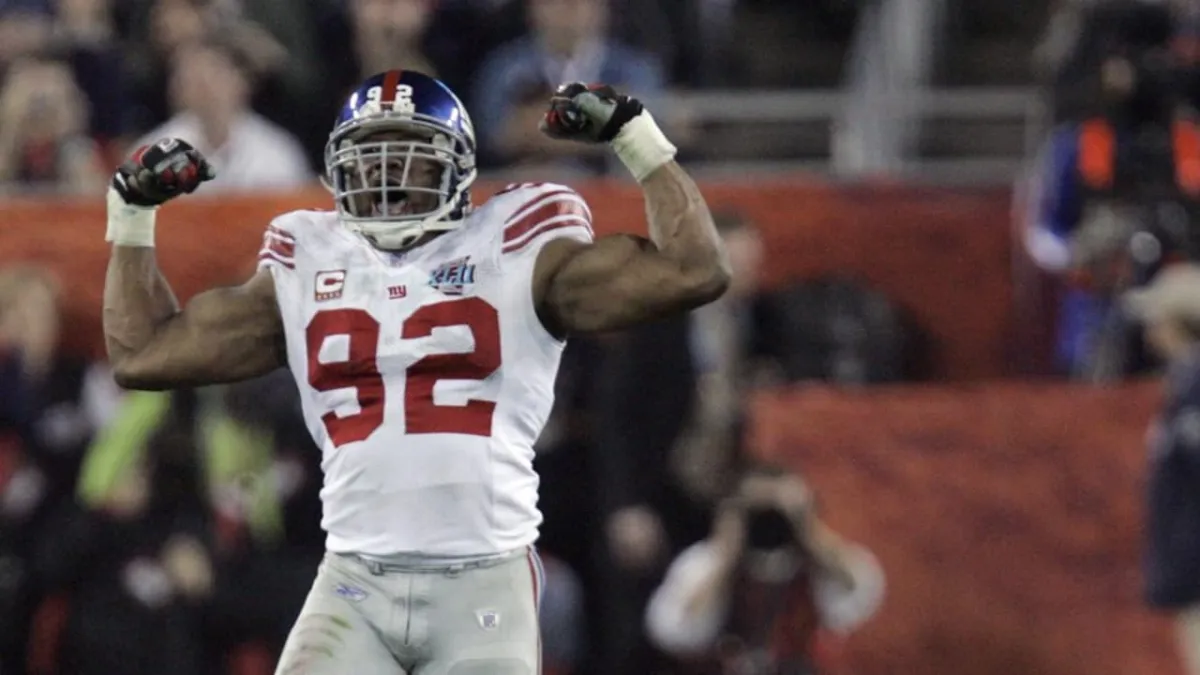 Photo: Super Bowl XLII, via static.clubs.nfl.com
Then Eli Manning decided to channel his inner Houdini.
The third quarter belonged to New England, as expected. Tom Brady found Randy Moss for a touchdown that put the Pats up 14-10, and Gillette Stadium's road crowd started planning parade routes. But something shifted in that fourth quarter—call it destiny, call it David vs. Goliath, call it whatever you want.
Manning's escape from what should have been a game-ending sack, followed by that impossible catch by David Tyree, didn't just change the scoreboard. It rewrote the entire legacy of both franchises. The Patriots went from immortal to mortal in the span of 15 minutes, proving that sometimes the football gods have a sense of humor.
When 28-3 Became Four Letters: H-E-L-P
Super Bowl LI turned "28-3" into the sports equivalent of a four-letter word in Atlanta. The Falcons didn't just lead at halftime—they dominated every aspect of the game for 30 minutes. Matt Ryan was carving up the Patriots defense like a Thanksgiving turkey, and Tom Brady looked every bit of his 39 years.
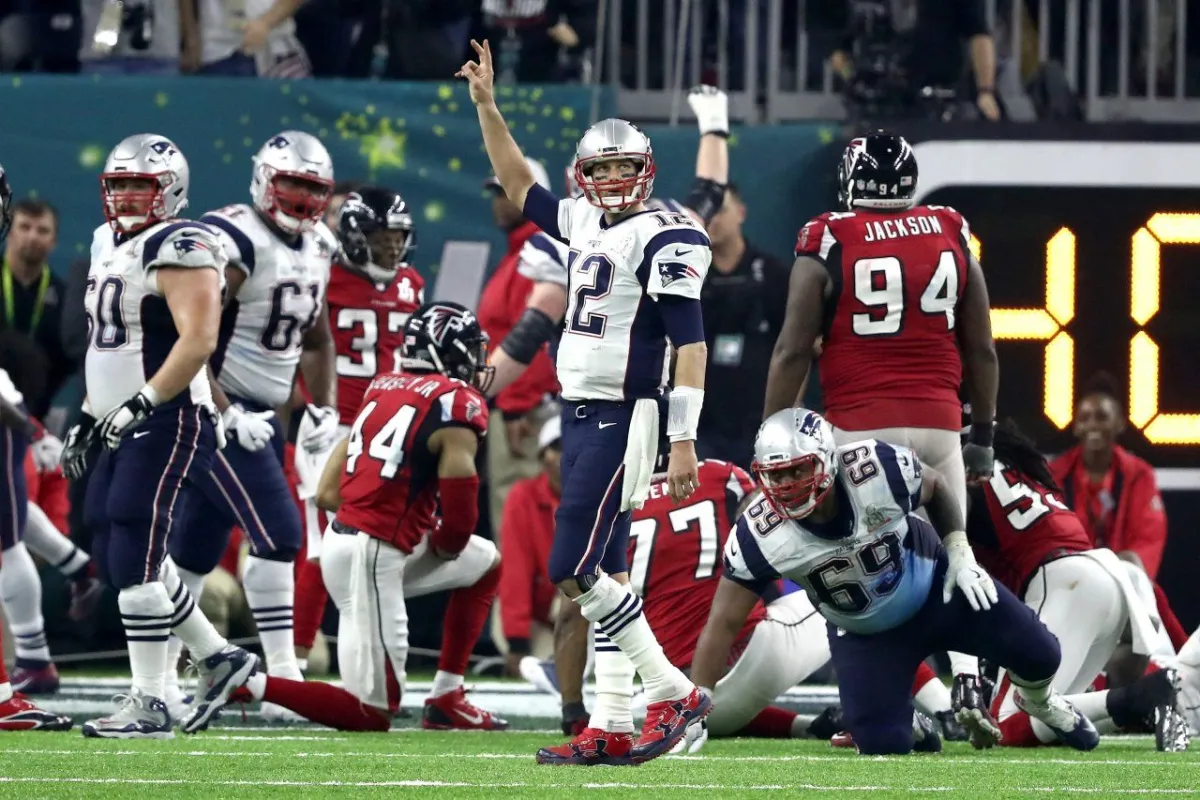 Photo: Super Bowl LI, via i.pinimg.com
The halftime show featured Lady Gaga, but the real entertainment was supposed to be watching the Patriots' dynasty crumble on national television. Instead, we got the greatest comeback in Super Bowl history, and Atlanta got a collective therapy bill that's still being calculated.
What made this collapse so brutal wasn't just the magnitude—it was how systematic it became. The Falcons stopped running the ball with a comfortable lead, took inexplicable sacks that pushed them out of field goal range, and watched their defense transform from suffocating to Swiss cheese.
Bill Belichick's halftime adjustments became the stuff of legend, but Dan Quinn's inability to close the deal turned a potential championship celebration into a master class in how not to protect a lead.
The Miracle That Broke Buffalo
January 3, 1993: The Buffalo Bills led the Houston Oilers 28-3 in the third quarter of an AFC Wild Card game. This wasn't just a comfortable lead—it was a "start planning the divisional round" kind of advantage. The Oilers looked completely outmatched, and Rich Stadium was already buzzing about the next week's matchup.
Then Warren Moon remembered he was Warren Moon, and Frank Reich remembered he'd orchestrated the greatest comeback in college football history at Maryland.
What followed was 20 minutes of pure insanity. The Oilers scored 32 unanswered points to take a 35-28 lead, turning what should have been a Bills blowout into the greatest comeback in NFL playoff history. The silence in Rich Stadium during those final moments was so thick you could cut it with a snow shovel.
The Bills eventually won in overtime, but the damage was done. A team that had reached three straight Super Bowls suddenly looked vulnerable, and the psychological scars from nearly blowing a 28-point lead would haunt them for years.
When Duke's Dream Became a Nightmare
March 28, 2010: Duke led Butler 33-21 at halftime of the NCAA Championship game, and everything seemed to be going according to script. The Blue Devils were the basketball aristocracy, Butler was the plucky mid-major, and Mike Krzyzewski was 20 minutes away from his fourth national title.
Except Butler didn't get the memo about knowing their place.
The Bulldogs chipped away methodically in the second half, turning Lucas Oil Stadium into their personal playground despite being 2,500 miles from campus. Duke's offense, which had been crisp and efficient in the first half, started forcing shots and turning the ball over at the worst possible moments.
With 3.6 seconds left and Butler down 61-59, Gordon Hayward launched a shot that hit the rim and bounced out, preserving Duke's championship. But for 20 minutes, college basketball's establishment order had been completely upended by a team that refused to be intimidated by the moment.
The Warriors' 73-Win Season Hits a Wall
The 2016 NBA Finals should have been a victory lap. The Golden State Warriors had just completed the greatest regular season in NBA history, going 73-9 and breaking a record that had stood for 20 years. They led the Cleveland Cavaliers 3-1 in the Finals, and Oracle Arena was ready to party.
 Photo: Oracle Arena, via thumbs.dreamstime.com
Then LeBron James decided to make good on his promise to bring a championship to Cleveland.
The Warriors didn't just lose the series—they lost their minds. Draymond Green got suspended for Game 5, Stephen Curry fouled out of Game 6, and the entire team seemed to forget how to play basketball when it mattered most. Cleveland's three straight wins weren't just victories; they were a complete dismantling of the Warriors' confidence and composure.
What made this collapse so stunning was the sheer inevitability that had surrounded Golden State all season. They'd been historically great for 82 games, only to forget how to close out a series when the championship was within reach.
The Lesson That Never Gets Learned
These collapses share a common thread: they happened to great teams at crucial moments, proving that talent and preparation can only take you so far. Sometimes the other team just wants it more, sometimes the pressure becomes too much to handle, and sometimes the basketball gods just decide to flip the script.
That's what makes sports beautiful and terrifying in equal measure. No lead is ever safe, no outcome is ever guaranteed, and the halftime score is just that—a score at halftime.
Every blown lead becomes a reminder that the game isn't over until the final whistle, and every comeback becomes proof that miracles still happen in sports. The teams that learned from these moments became dynasties; the ones that didn't became cautionary tales.
And somewhere, right now, a coach is telling his team that a 20-point halftime lead means absolutely nothing if they don't finish the job.