Double Trouble: When Two Teams from the Same City Both Catch Fire at the Exact Same Time
When Sports Gods Smile on One City
Imagine trying to explain to someone from another planet why an entire metropolitan area has collectively lost its mind. The local basketball team is three wins away from a championship. The football team just made the conference finals. Every conversation starts with playoff brackets, every restaurant has multiple games playing simultaneously, and ticket scalpers are making more money than small-town mayors.
This is what happens when sports lightning strikes twice in the same place, and it's one of the most beautiful chaos scenarios in American athletics. When two major franchises from the same city simultaneously catch fire, the result isn't just doubled excitement—it's an entirely different species of sports insanity that transforms how an entire region experiences competition.
The logistics alone are mind-bending. Suddenly, prime parking spots downtown become more valuable than cryptocurrency, and every sports bar in the city needs to invest in additional television screens just to keep up with demand. Fans find themselves faced with impossible choices: attend the home basketball playoff game or watch the football team's road game at the local sports bar with fellow diehards.
Boston's Golden Era Overload
The early 2000s Boston sports scene provides the perfect case study for this phenomenon. Between 2001 and 2014, the city witnessed the Patriots winning multiple Super Bowls, the Red Sox breaking their championship drought, the Celtics returning to championship glory, and even the Bruins capturing a Stanley Cup. But the real magic happened when these runs overlapped.
During the 2007-2008 seasons, Boston fans experienced something approaching sports nirvana. The Patriots were in the middle of their perfect regular season (before the Super Bowl heartbreak), the Celtics were assembling their Big Three and marching toward an NBA championship, and the Red Sox were still riding high from their 2007 World Series victory.
The city's sports radio stations essentially became 24-hour therapy sessions for fans trying to process the emotional overload. Callers would phone in discussing whether they should use vacation days for playoff games, how to afford tickets to multiple championship runs, and which championship would mean more to the city's legacy.
Chicago's Dual-Sport Dynasty
The 1990s Chicago sports scene created its own version of this beautiful madness, though spread across a longer timeline. While the Bulls were dominating the NBA with six championships in eight years, the Bears maintained competitive relevance, and the Blackhawks began building toward their own future success.
But the real test came during specific seasons when both the Bulls and Bears were simultaneously making deep playoff runs. Chicago fans, already passionate to the point of religious devotion, found themselves managing emotional investments in multiple championship pursuits. The city's sports culture, built around blue-collar loyalty and generational fandom, had to expand to accommodate dual-track championship hopes.
Local businesses adapted by creating viewing packages that accommodated fans who wanted to watch both teams. Sports bars developed sophisticated systems for managing crowd flow during overlapping games, and the city's public transportation system learned to handle surge capacity during multiple playoff runs.
The Modern Era Challenge
Today's sports landscape makes simultaneous championship runs even more complex due to social media amplification and increased media coverage. When the Golden State Warriors and San Francisco 49ers were both competitive in recent seasons, Bay Area fans experienced this phenomenon in the digital age.
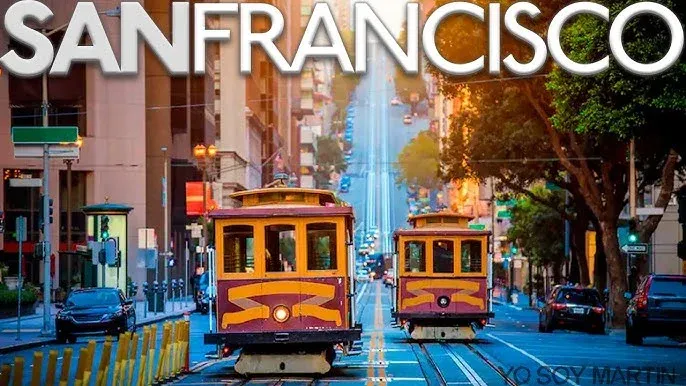 Photo: San Francisco, via mapupa.com
Suddenly, every social media feed became a dual-sport highlight reel. Fans had to manage emotional energy across multiple playoff brackets while maintaining their day jobs and family responsibilities. The psychological challenge of investing equally in two championship pursuits while protecting against potential heartbreak created a unique form of sports stress that psychologists should probably study.
The economic impact on local businesses becomes particularly interesting during these periods. Restaurants and bars see massive increases in revenue, but they also face operational challenges in managing crowds, securing additional television coverage rights, and staffing appropriately for unpredictable demand surges.
Fan Psychology and Divided Loyalties
The most fascinating aspect of dual-sport championship runs is how they force fans to confront their own priorities and emotional capacity. Die-hard basketball fans who never cared about football suddenly find themselves checking scores and learning playoff formats. Football loyalists discover they have opinions about basketball rotations and playoff seeding.
This creates a temporary expansion of fan identity that can permanently change how people relate to their city's sports culture. Casual fans become invested, invested fans become obsessed, and obsessed fans enter a state that probably requires medical supervision.
The phenomenon also creates unique bonding experiences among strangers. Shared suffering and shared hope across multiple sports creates instant connections between people who might otherwise never interact. The person sitting next to you at the basketball game might become your football-watching buddy, united by the shared experience of managing dual championship anxiety.
The Scheduling Nightmare
From a practical standpoint, simultaneous playoff runs create logistical challenges that test the limits of urban infrastructure. Parking becomes a premium commodity, public transportation systems strain under increased capacity demands, and local law enforcement has to manage crowd control across multiple venues and events.
Restaurants and bars face the challenge of accommodating fans who want to watch different games simultaneously, leading to creative solutions like split-screen arrangements and dedicated viewing areas for each sport. The most successful establishments during these periods are those that embrace the chaos and create environments where fans can seamlessly transition between following different teams.
When Dreams Become Reality
The ultimate expression of this phenomenon occurs when both teams actually win championships in the same year or within close proximity. The resulting celebration becomes something approaching a civic holiday, with championship parades, extended periods of citywide euphoria, and permanent changes to local sports culture.
These moments create generational memories that define how entire communities relate to sports. Children who grow up during dual-championship periods develop unrealistic expectations about what normal sports fandom looks like, setting them up for either lifelong disappointment or an appreciation for truly special moments.
The next time you see a city's fans managing emotional investment across multiple championship runs, remember that you're witnessing one of sports' most beautiful forms of organized chaos. It's a reminder that sometimes the sports gods decide to test just how much joy and stress a single metropolitan area can handle simultaneously.
And based on the evidence, the answer appears to be: way more than should be humanly possible, but somehow they make it work anyway.