From Public Enemy to Fan Favorite: The Athletes America Couldn't Stand — Until It Couldn't Get Enough of Them
From Public Enemy to Fan Favorite: The Athletes America Couldn't Stand — Until It Couldn't Get Enough of Them
American sports fans are a passionate, complicated bunch. They'll boo a player for five straight years and then put his jersey on the moment he retires. They'll hate a guy in another city and love him the second he signs with their team. And sometimes — in the best cases — they'll watch an athlete go on such a remarkable journey that the entire country reverses course and starts cheering someone they used to despise.
This is a piece about those athletes. The ones who walked through the fire of public opinion and came out the other side as icons. It's not always a clean story. But it's always a great one.
LeBron James: The Decision That Nearly Broke Him — and Made Him Untouchable
In the summer of 2010, LeBron James did something that turned half the country against him overnight. "The Decision" — a one-hour television special announcing his move from Cleveland to Miami — was widely mocked as one of the most tone-deaf moments in sports history. Cleveland fans burned his jerseys. Sports columnists lined up to bury him. The narrative was set: LeBron was a self-absorbed star who ran from pressure.
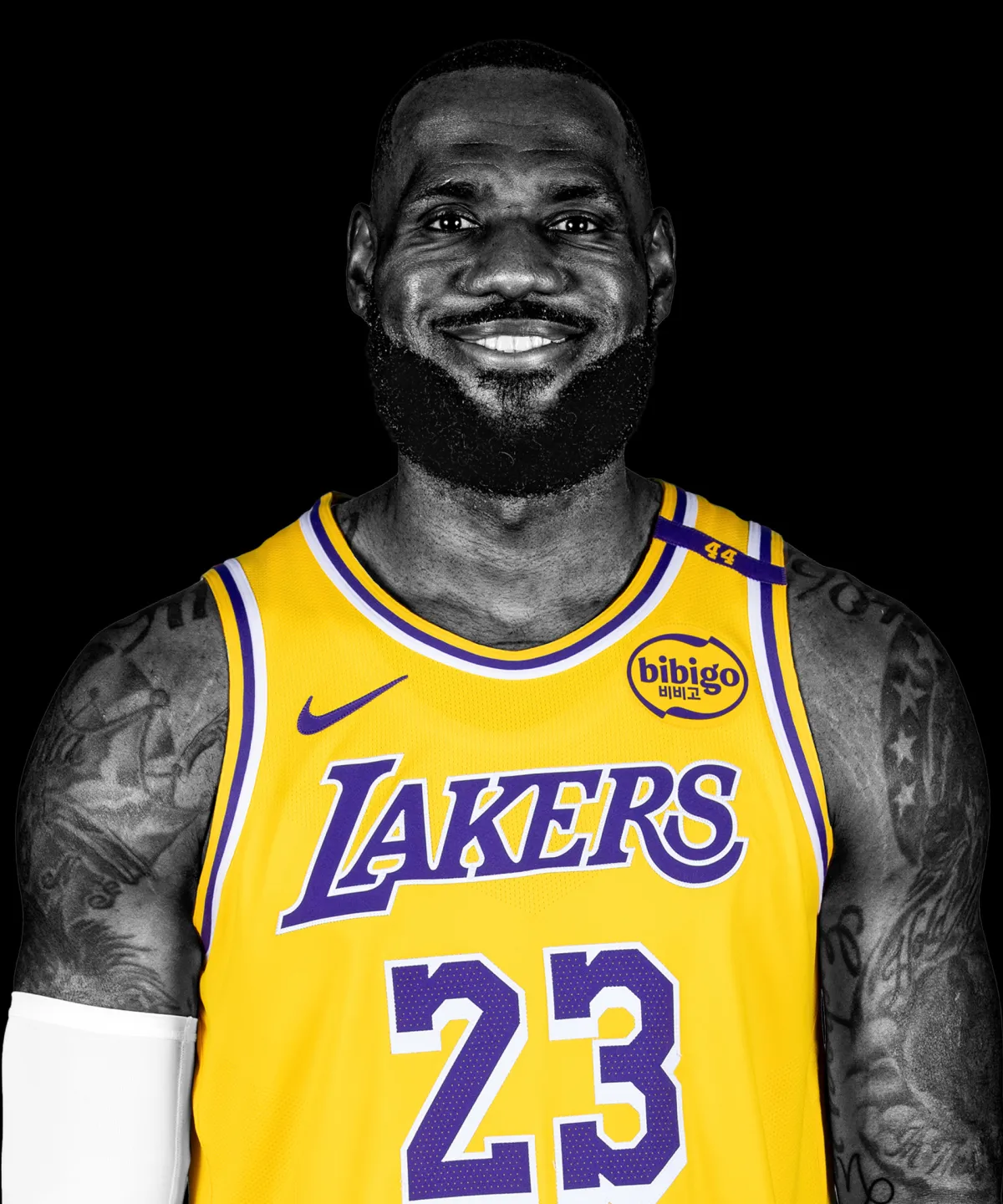 Photo: LeBron James, via lalweb.blob.core.windows.net
Then he won. And won again. And then came back to Cleveland and delivered the city its first major sports championship in 52 years, coming back from a 3-1 deficit against the Golden State Warriors in the 2016 NBA Finals with a performance that is still talked about as one of the greatest in the sport's history.
 Photo: Golden State Warriors, via www.pngall.com
The redemption arc was so complete that it became the template. LeBron didn't just win back Cleveland — he eventually won over most of the people who had written him off. He's now widely considered one of the two greatest basketball players who ever lived, and the vitriol of 2010 feels like ancient history. The man they booed became the man they argued over at dinner tables for the next fifteen years.
Draymond Green: Villain by Trade, Legend by Tenure
Draymond Green has never really tried to be liked. He talks trash, argues with referees, and has been suspended at critical moments for behavior that had fans outside of Golden State absolutely fuming. During the Warriors' dynasty years, he was cast as the enforcer — the guy opposing fans loved to hate.
But somewhere along the way, something shifted. The basketball world started to recognize that Green was doing something genuinely rare: playing the game at an elite level without being able to shoot. His defense, his passing, his ability to hold a complicated system together — it all became undeniable. Even fans who couldn't stand him started admitting, quietly at first, that the Warriors don't win four championships without him.
He's not universally loved now. Far from it. But the grudging respect has turned into something more genuine for a lot of fans who once booed his every move. When the full story of the Warriors dynasty gets written, Draymond is in the middle of it — and the people who hated him most know it.
Alex Rodriguez: The Long Road Back to Baseball
Few falls from grace in American sports were as dramatic as Alex Rodriguez's. One of the most talented baseball players ever to swing a bat, A-Rod spent years as the sport's most scrutinized figure — a symbol of everything the steroid era represented. He was booed at Yankee Stadium, his own home ballpark. He was mocked relentlessly. The word "fraud" got thrown around a lot.
The rehabilitation has been gradual, but it's been real. Time helped. His post-playing career as a broadcaster and analyst helped more — he turned out to be genuinely good at it, self-aware and entertaining in ways that surprised people who had only seen him as a punchline. His relationship with Jennifer Lopez briefly made him a tabloid fixture in a way that humanized him to audiences who hadn't followed baseball closely.
He's never going to be universally forgiven. The Hall of Fame door remains complicated. But the man who couldn't get a warm reception at his own stadium is now someone a significant portion of sports fans find, at minimum, entertaining and compelling. That's a long way from where he was.
Richard Sherman: The Loudest Mouth That Turned Into a Voice Worth Hearing
After the 2013 NFC Championship Game, Richard Sherman grabbed a microphone and delivered one of the most electric post-game interviews in NFL history — loud, brash, and pointed directly at San Francisco's Michael Crabtree. The reaction was immediate and ugly. Sherman was called every name in the book. Think pieces flew. Hot takes scorched the internet.
 Photo: Richard Sherman, via market-spravka.ru
But here's what happened next: people actually started paying attention to what Sherman was saying. And they realized he was smart, thoughtful, and willing to talk about things — race, media bias, the NFL's treatment of players — that most athletes avoided. The loud mouth turned out to have something worth saying.
By the time his career wound down, Sherman had become one of the most respected voices in football. Players admired him. Journalists sought him out. The clip that was supposed to define him as a villain ended up being the beginning of a much bigger story.
Shaquille O'Neal: The Criticism He Earned and the Love He Never Lost
Shaq is a special case because the trajectory ran in multiple directions at once. As a player, he was simultaneously beloved and criticized — for his free throw shooting, for his weight, for feuding with Kobe, for leaving teams in ways that felt abrupt. Lakers fans were conflicted. Heat fans were ecstatic. Everyone had an opinion.
What happened in retirement is almost unprecedented. Shaq became one of the most universally liked figures in American sports culture. His personality — big, loud, genuinely funny — translated perfectly to television. His willingness to laugh at himself, to dance at NBA games, to show up at kids' birthday parties and police stations and anywhere else the mood struck him turned the complicated narrative of his playing days into something much simpler: everyone loves Shaq now.
The criticism didn't disappear. The free throw memes never went away. But they became part of the charm. The things people used to groan about became the things they laughed about together.
America Changes Its Mind — Eventually
The common thread across all of these stories isn't talent or redemption or time, though all three play a role. It's humanity. The athletes who flipped public opinion did it by showing people something real — a comeback, a perspective, a willingness to be seen as more than a headline.
American sports fans are fickle, sure. But they're also paying attention. And when an athlete gives them a reason to look again, they usually do.
The boos always sound louder in the moment. But the cheers tend to last longer.