Silence in the Storm: The Athletes Who Learned to Tune Out Everything — and Then Won It All
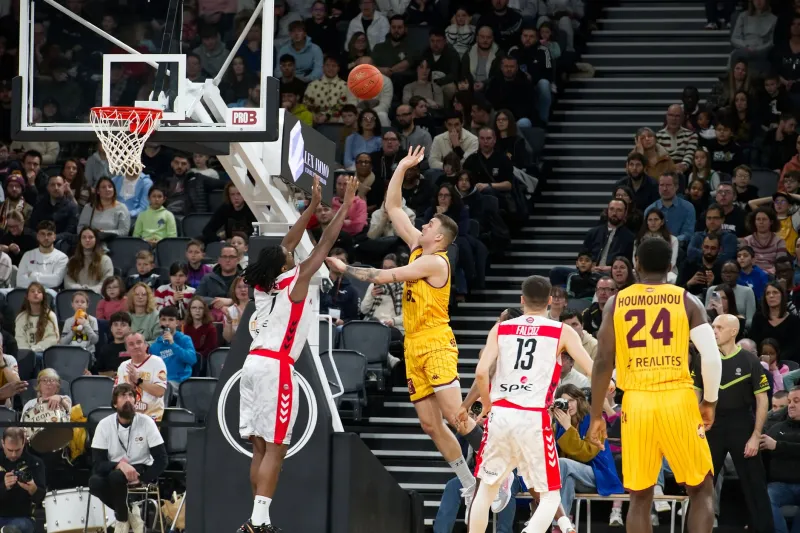
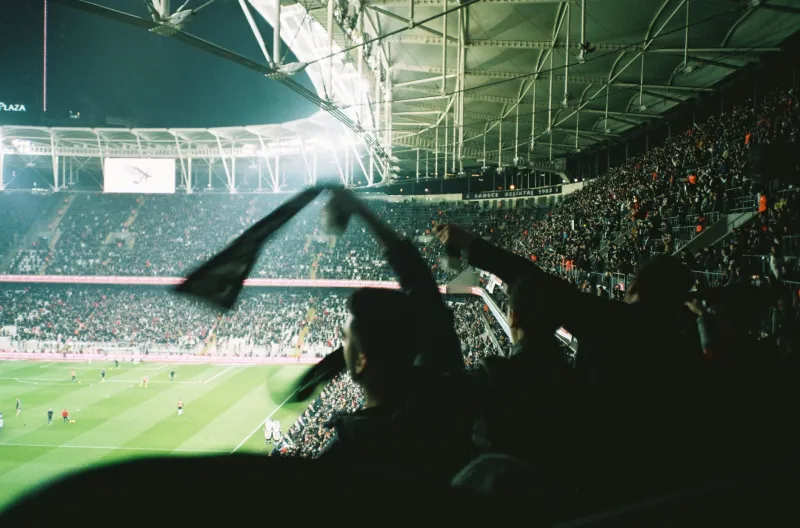
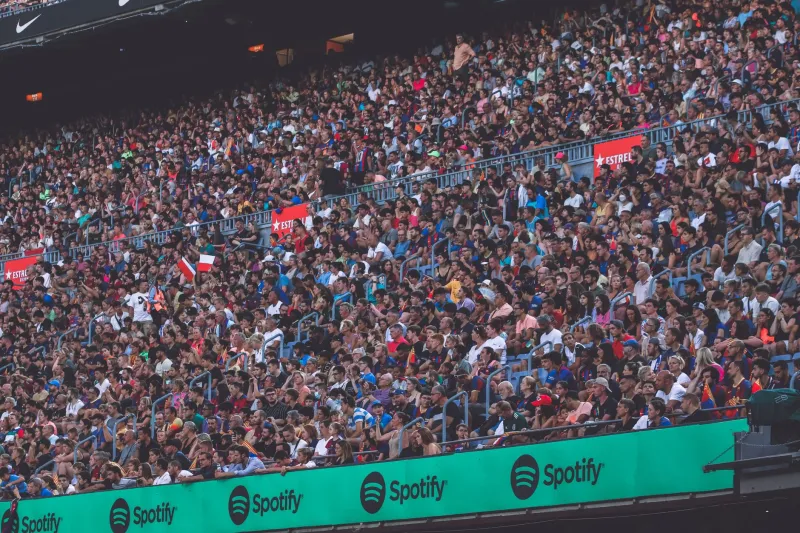
Imagine standing at the free-throw line with two seconds left, your team down by one, and 20,000 people losing their minds around you. The floor is shaking. The opposing fans are waving their arms in unison. The noise is physical — you can feel it in your chest.
Now imagine hearing absolutely nothing.
That's not a superpower reserved for robots or fictional heroes. It's a skill — one that some of the greatest competitors in American sports history have described in their own words, in interviews and memoirs and quiet moments behind microphones. The ability to mentally mute a roaring crowd isn't just interesting. It might be the most important separator between good athletes and great ones.
Kobe Bryant: The Silence Was the Signal
Kobe Bryant talked about mental focus more openly than almost any athlete of his generation. In multiple interviews across his career, he described what happened when a game reached its most critical moments — the crowd noise, he said, didn't disappear exactly. It changed. It became background, like a television left on in another room.
What replaced it was a kind of tunnel vision so complete that everything outside the task felt irrelevant. He described reading the defense, feeling the floor, tracking the shot clock — all of it happening in what felt like slow motion while the arena moved at full speed around him. He called it being "in the work." The crowd wasn't ignored so much as it became irrelevant, because everything he needed was already inside him.
For Kobe, the noise of the crowd was almost a trigger. When it was loudest, he knew the moment was biggest. And when the moment was biggest, the internal switch flipped — and the outside world went quiet.
Stephen Curry: Blocking Out the Boo
There are few things louder in American sports than a hostile NBA arena when Stephen Curry catches fire. Opposing crowds have spent years trying to rattle him — booing every touch, screaming through his free throws, filling the building with noise specifically designed to break his concentration.
Curry has spoken candidly about how he handles it. His answer, in essence, is that he doesn't. Not because he's ignoring the crowd through sheer willpower, but because his pre-shot routine is so deeply ingrained that it occupies every available corner of his mental space. The dribble pattern, the breath, the lift — by the time the ball leaves his hand, there's no room left in his mind for anything else, including 19,000 people screaming.
He's described it as a kind of meditation in motion. The routine isn't just physical preparation — it's a psychological lock that keeps the noise out. Every time he runs it, he's building a wall between himself and the crowd, brick by practiced brick.
Patrick Mahomes: Chaos Is the Comfort Zone
Patrick Mahomes plays best when everything is falling apart. Ask any Chiefs fan and they'll tell you — the moments where most quarterbacks start to look rattled are the moments Mahomes seems to come alive. He's spoken about this in interviews, describing a mindset shift that happens when the pressure peaks.
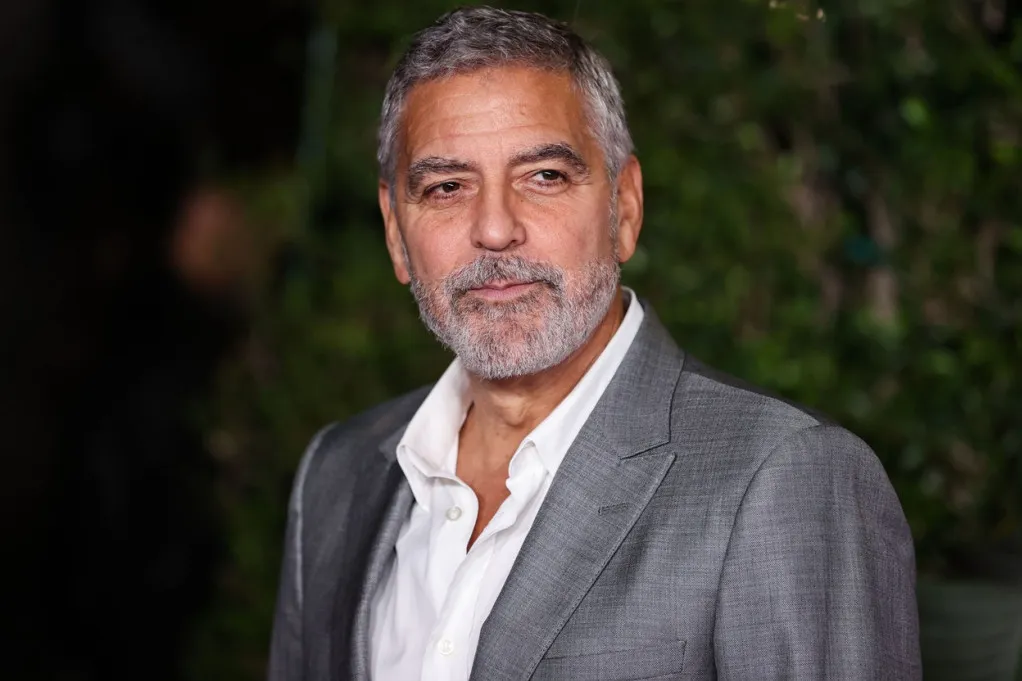 Photo: Patrick Mahomes, via 24sedam.rs
His description of loud, hostile road environments is almost counterintuitive. He says the noise doesn't bother him because he expects it. He prepares for it. He's visualized the chaos so many times in practice and in his own head that when it arrives in a real game, it feels familiar rather than overwhelming. The crowd becomes, in his words, "just part of the game" — not a threat, but a backdrop.
There's something almost philosophical about it. Mahomes doesn't tune out the crowd by suppressing it. He accepts it so completely that it loses its power. The noise is still there. He just stopped giving it meaning.
Israel Adesanya: The Empty Arena Inside the Packed One
Combat sports produce a specific kind of pressure that team sports rarely replicate. There's no teammate to share the weight, no substitution, no timeout. When you're standing in the center of a UFC octagon with 15,000 people screaming, the psychological load is almost uniquely personal.
Israel Adesanya — the middleweight champion and one of the most cerebral fighters in the sport — has talked at length about his mental preparation, and his description of fight night is striking. He says that by the time he steps into the cage, the crowd has essentially ceased to exist for him. Not because he's trained himself to block it out, but because his focus on his opponent is so absolute that everything else simply doesn't register.
He's described it as being in a conversation with one person in a crowded room — eventually, the other voices just blur into noise and the only thing you can hear is the one that matters. In his case, the only thing that matters is the person standing across from him. Everything else is static.
What It Takes to Find the Quiet
The athletes in this piece aren't special because they're emotionless. They're not robots. Kobe admitted the pressure was real. Curry has described moments where the crowd got inside his head early in his career. Mahomes has talked about bad days. Adesanya has lost.
What makes them different is that they've each found a system — a routine, a mindset, a way of reframing the moment — that lets them access quiet when the world is at its loudest. That's not natural talent. That's craft.
The crowd will always roar. The arena will always shake. The fans will always believe that their noise can change the outcome. And sometimes it does — against players who haven't found their silence yet.
But for the ones who have? The noise is just decoration.