The Unsung Heroes: How Bench Players and Late-Round Picks Quietly Steal Championships
When the Stars Need Help
Every championship story has its marquee moments—the superstar hitting the game-winner, the franchise player delivering in clutch time, the MVP performance that gets replayed for decades. But dig deeper into any title run, and you'll find a different story entirely: role players stepping up in massive moments, bench contributors becoming household names overnight, and late-round picks proving that draft position means nothing when the lights are brightest.
The 2016 Cleveland Cavaliers didn't just overcome a 3-1 deficit against the 73-win Warriors because of LeBron James and Kyrie Irving. They did it because guys like Matthew Dellavedova turned into a defensive pest who made Stephen Curry's life miserable, and Tristan Thompson grabbed offensive rebounds at crucial moments that extended possessions and deflated Golden State's momentum.
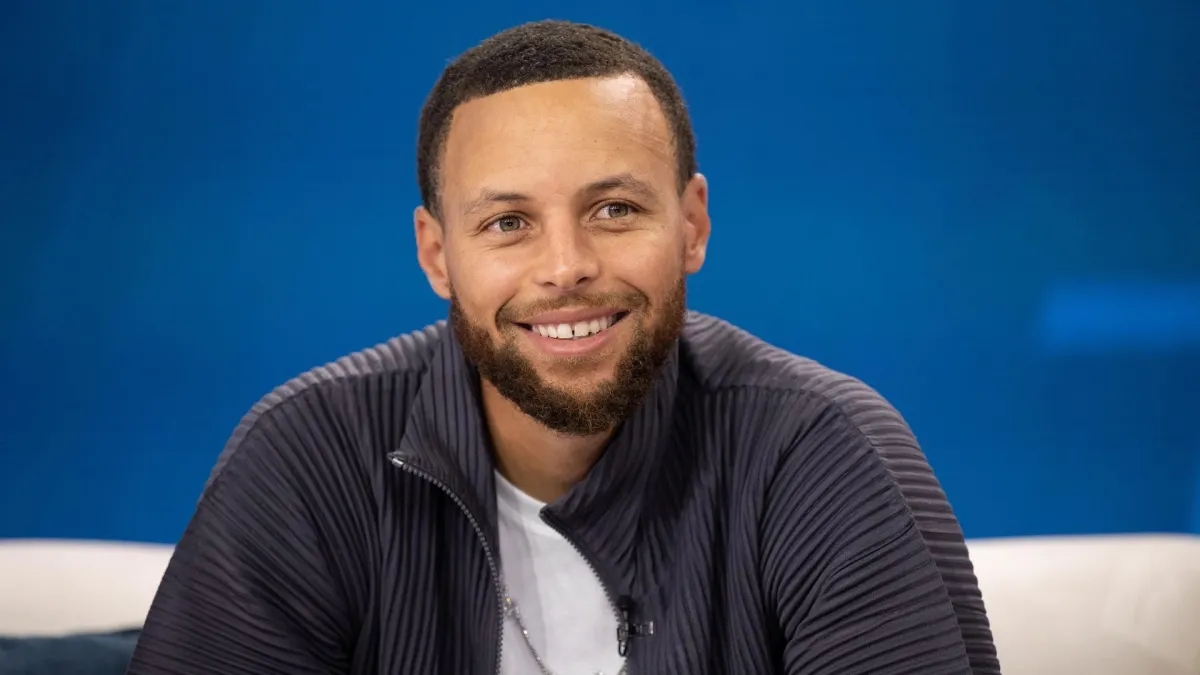 Photo: Stephen Curry, via doquizzes.com
Dellavedova wasn't supposed to be a Finals hero. He was an undrafted Australian guard who found his way onto the roster through hustle and basketball IQ. But when the Cavs needed someone to disrupt the Warriors' rhythm, he became exactly the type of player that championship teams discover in their depth chart.
The Sixth Man Phenomenon
The NBA has formalized the importance of bench contributors with the Sixth Man Award, but the real value of these players shows up in the playoffs when rotations tighten and every possession matters. The 2008 Boston Celtics leaned heavily on their bench during their championship run, with guys like P.J. Brown and James Posey providing veteran leadership and clutch shooting when the Big Three needed a breather.
Posey, in particular, became a different player in the postseason. His three-point shooting and defensive versatility gave the Celtics lineup flexibility that proved crucial against different styles of opponents. He wasn't a household name, but he was exactly the type of player that championship teams need—someone who understands their role and executes it perfectly when the stakes are highest.
This pattern extends far beyond basketball. The 2007 New York Giants' Super Bowl run featured multiple unsung heroes who stepped up at crucial moments. David Tyree's helmet catch gets all the attention, but that championship was built on contributions from players across the roster who exceeded expectations when it mattered most.
 Photo: Super Bowl, via static0.givemesportimages.com
Football's Hidden Gems
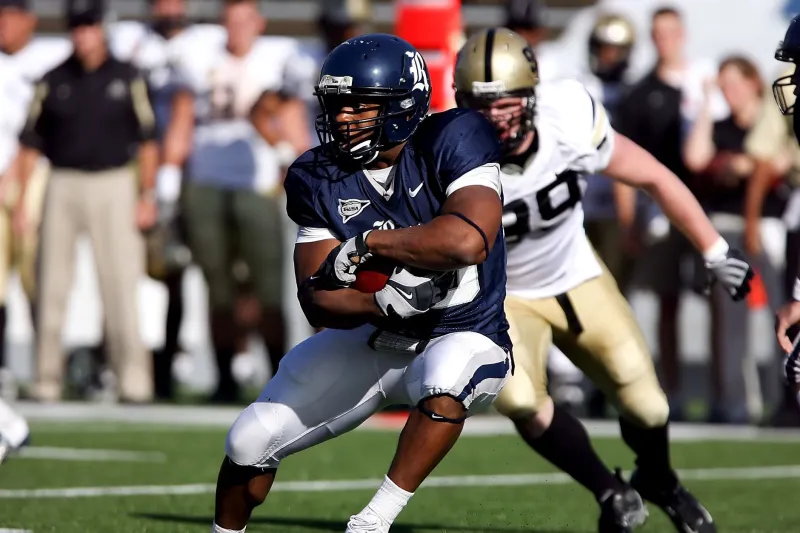
NFL championship runs are particularly dependent on depth because of the physical nature of the sport and the single-elimination format of the playoffs. The 2019 Kansas City Chiefs' Super Bowl victory showcased this perfectly, with players like Damien Williams emerging as a playoff star after spending most of the regular season in a supporting role.
Williams rushed for over 100 yards and scored two touchdowns in the Super Bowl, but he had been the team's backup running back for most of the season. When the Chiefs needed someone to step up in the biggest game of the year, a player who most casual fans couldn't have picked out of a lineup became the difference maker.
The Tampa Bay Buccaneers' 2020 championship run featured similar contributions from unexpected sources. Leonard Fournette, who had been released by Jacksonville mid-season, became "Playoff Lenny" and provided crucial rushing yards when the team needed to control games. Antonio Brown, despite his complicated history, delivered key catches in the postseason after joining the team late in the season.
Baseball's October Heroes
Baseball's playoff format, with its emphasis on pitching depth and situational matchups, creates perfect opportunities for role players to become legends. The 2016 Chicago Cubs' historic World Series run featured contributions from players who spent most of the season in supporting roles but became essential pieces during October.
Ben Zobrist won World Series MVP honors, but his path to that moment exemplified the role player championship story. He was a versatile utility player who could play multiple positions and provide quality at-bats in crucial situations. When the Cubs needed someone to come through in Game 7 against Cleveland, Zobrist delivered the go-ahead double that broke a 108-year championship drought.
The 2021 Atlanta Braves took this concept to another level, with players like Jorge Soler and Eddie Rosario becoming playoff heroes after joining the team through mid-season trades. Soler hit three home runs in the World Series, including a crucial blast in the clinching game. Rosario was named NLCS MVP after a torrid hitting streak that carried the Braves past the defending champion Dodgers.
The Psychology of the Unexpected Hero
What makes these contributions so valuable isn't just the statistical production—it's the psychological impact on both teams. When a role player steps up in a big moment, it energizes the entire roster and creates a sense that anyone can be the hero on any given night. Conversely, it demoralizes opponents who game-planned to stop the stars but find themselves beaten by players they didn't adequately prepare for.
The 2014 San Antonio Spurs demonstrated this perfectly during their Finals victory over Miami. While Tim Duncan and Tony Parker provided veteran leadership, it was players like Patty Mills and Boris Diaw who made crucial contributions that swung the series. Mills' three-point shooting provided spacing that opened up the Spurs' offense, while Diaw's passing and basketball IQ created opportunities for teammates.
Draft Position Doesn't Define Destiny
Many of these championship contributors share a common thread: they were overlooked in the draft process or arrived via unconventional paths. Tom Brady, the ultimate example of late-round draft success, has built a career on proving that sixth-round picks can outperform first-round selections when given the opportunity.
 Photo: Tom Brady, via vendettasportsmedia.com
The 2018 Philadelphia Eagles' Super Bowl victory featured multiple players who exceeded their draft position expectations. Nick Foles, a backup quarterback, delivered one of the greatest postseason runs in NFL history. Chris Long, a veteran defensive end playing on a one-year deal, provided crucial pass rush in key moments.
The Championship Formula
What these stories reveal is that championship teams aren't just collections of superstars—they're rosters full of players who understand their roles and execute them at the highest level when it matters most. The difference between good teams and championship teams often comes down to depth, preparation, and the ability to get contributions from unexpected sources.
The next time you're watching a playoff game and a role player makes a crucial play, remember that you might be witnessing the moment that defines a championship run. Because while the superstars get the headlines and the max contracts, it's often the unsung heroes who make the difference between watching the playoffs from home and hosting a championship parade.