All Flash, No Finish: The Teams That Start Hot and Fade Fast
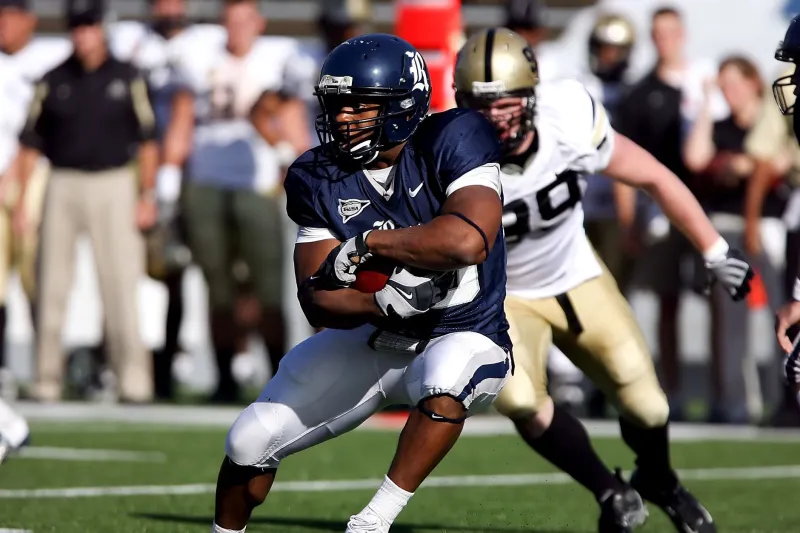
There's a particular kind of heartbreak unique to sports fans who've watched their team blaze out of the starting blocks only to watch them stumble badly before the finish line. That first quarter lead. That 6-0 start to the season. That early-round dominance that feels like destiny.
And then — nothing. A fade. A collapse. A slow, painful return to earth.
Fast starters are one of sport's most seductive traps, and the history of American sports is littered with teams that looked like champions in October and were cleaning out their lockers in January. Let's dig into why it happens, who does it most, and whether a fast start is actually a warning sign in disguise.
The NFL's Serial Offenders
In the NFL, fast starts carry a very specific kind of danger. The league's parity-driven structure means that any team can look dominant for a stretch, but sustained excellence over 17 games — and then the playoffs — requires depth, coaching, and a roster that can handle adversity.
The Dallas Cowboys have become almost synonymous with the hot start that goes nowhere. Multiple times in recent memory, Dallas has opened seasons with legitimate division-winning pedigree, generating enormous media attention and fan excitement, only to stumble in critical moments when the stakes are highest. They're not alone. The Philadelphia Eagles, the Los Angeles Rams, and various AFC contenders have all taken turns as the team that looked terrifying in September and merely average by December.
 Photo: Dallas Cowboys, via wallpapers.com
Part of this is structural. Early-season NFL opponents often include weaker schedules, and teams that run up the score against those matchups can mask genuine defensive or depth issues that only emerge when playoff-caliber opponents show up. The scoreboard looks great. The underlying problems are invisible until they aren't.
The NBA's First-Quarter Trap
In basketball, the fast start problem plays out on two levels — within individual games and across entire seasons.
Within games, there's a well-documented pattern of teams that dominate the first quarter and then lose the game entirely. High-energy starts often involve unsustainable shooting percentages, opponents who haven't adjusted yet, and a pace of play that simply can't be maintained for 48 minutes. When a team goes up 18-4 in the first quarter and then loses by five, it's not bad luck. It's physics.
Across seasons, the NBA has seen plenty of teams ride hot Novembers to top seeds, only to find that the playoffs are a completely different sport. The Miami Heat, the Milwaukee Bucks, and the Denver Nuggets have all experienced versions of this — building enormous regular-season advantages that evaporated against hungry, battle-tested opponents in May and June.
The reason? Playoff basketball rewards adaptability. Teams that start seasons on fire often do so by executing a specific system extremely well. When opponents have film, time, and the motivation of elimination to dismantle that system, the teams that can't adjust get exposed.
College Football's Early-Season Mirages
College football might be the single worst environment for drawing conclusions from early-season performance. The top programs routinely open their schedules against overmatched opponents — games that exist almost entirely to pad win totals and generate highlight reels for recruits.
The result is a predictable cycle every single year. A program goes 4-0 with an average margin of victory of 40 points, climbs into the top ten of the national rankings, and then faces a legitimate conference opponent and looks suddenly, inexplicably ordinary.
Ohio State, Alabama, and Georgia have all been guilty of this at various points — not because they're bad teams, but because their early schedules simply don't test the things that matter in November: red zone efficiency under pressure, defensive discipline against spread offenses, and the mental toughness to execute when the environment is hostile.
The College Football Playoff era has actually made this worse in some ways, because the pressure to stay undefeated through the regular season means top programs schedule easy early opponents deliberately. The hot start is almost manufactured.
So Are Fast Starters Actually Dangerous?
Here's the counterintuitive take: sometimes, yes. A team that starts fast and maintains it is one of the most terrifying things in sport. The 2007 New England Patriots went 16-0 in the regular season and came within a miraculous catch of completing a perfect season. The 2015-16 Golden State Warriors won 73 games. Fast starts aren't inherently fraudulent — they're just frequently misread.
 Photo: Golden State Warriors, via athlonsports.com
The key distinction is whether the fast start reflects genuine quality or just favorable circumstances. A team that's winning because of superior talent, depth, and coaching will generally sustain that performance. A team that's winning because of schedule luck, unsustainable shooting, or an opponent who hasn't figured them out yet will not.
The tell is usually how a team responds to its first real adversity. Does the offense still move the ball when the defense is prepared? Does the team compete the same way when they're down by ten as when they're up by twenty? Those questions don't get answered in the first quarter, or the first month of the season.
The Staying Power Test
The teams that convert fast starts into actual championships tend to share a few traits. They have multiple ways to score. They have veteran leadership that doesn't panic when momentum shifts. And they have coaches who aren't afraid to change the game plan when the original one stops working.
The teams that flame out? They usually have one great weapon that opponents eventually figure out, a roster without meaningful depth, and a tendency to play their best basketball when the pressure is lowest.
Fast starts are exciting. They fill arenas, generate headlines, and give fans something to believe in. But in American sport, the only scoreboard that really matters is the one at the final buzzer. Everything before that is just a preview.