The First Five Minutes Back: Why the Opening of the Second Half Wins More Championships Than Anything Else
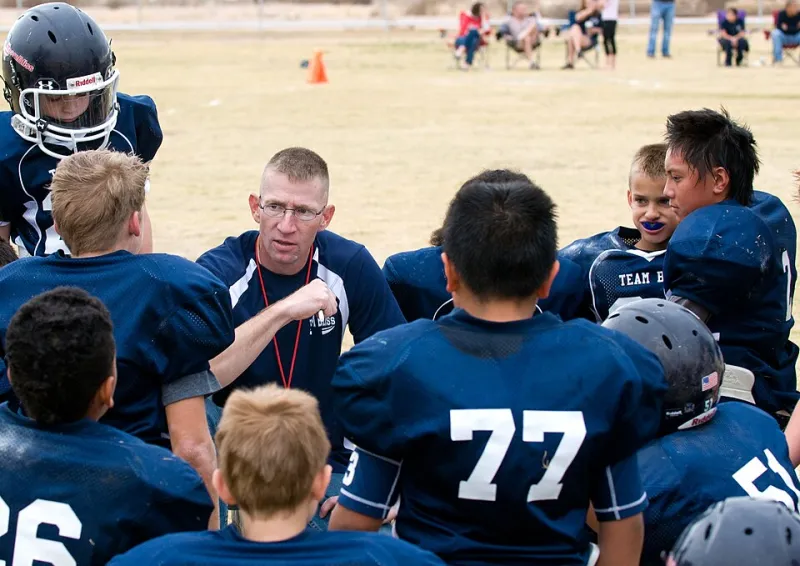
Photo: Staff Sgt. Jes Smith, Public domain, via Wikimedia Commons
Halftime speeches get all the glory. The chalk-talk adjustments, the fired-up coach, the dramatic shift in game plan — Hollywood has made this moment iconic. But here's what the best coaches in American sports actually know: the speech doesn't matter nearly as much as the first five minutes after it.
That opening stretch of the second half is the most decisive real estate in team sports. It's where belief either calcifies or crumbles. It's where the team that adjusted actually proves it, and where the team that didn't gets exposed before the crowd has finished the last of their nachos.
This isn't a theory. It's a pattern. And once you see it, you can't unsee it.
Why Those First Five Minutes Hit Different
Think about what halftime actually does to a game. It stops everything. Momentum — the most powerful invisible force in sports — gets frozen completely. Both teams retreat, regroup, and reset. For fifteen to twenty minutes, nothing is carrying over from the first half except the scoreboard.
When the second half begins, every team in every sport is starting from the same psychological baseline. The team that was rolling in the first half has to re-establish that roll. The team that was struggling gets a clean slate to prove the first half was an anomaly.
But that window is brutally short. Five minutes. Maybe six. After that, a new rhythm has been established, new momentum has been built, and whatever story gets written in those opening possessions becomes the story of the game.
The teams that come out aggressive, focused, and executing in that window almost always win. The ones that come out flat — even if they led at halftime — almost always lose in high-stakes games. The data and the eye test say the same thing.
Super Bowl Proof: When the Break Broke the Game
Super Bowl XLVIII is one of the most lopsided championship games in NFL history. The Seattle Seahawks demolished the Denver Broncos 43-8, and the game was effectively over before most fans had settled back into their seats after the halftime show.
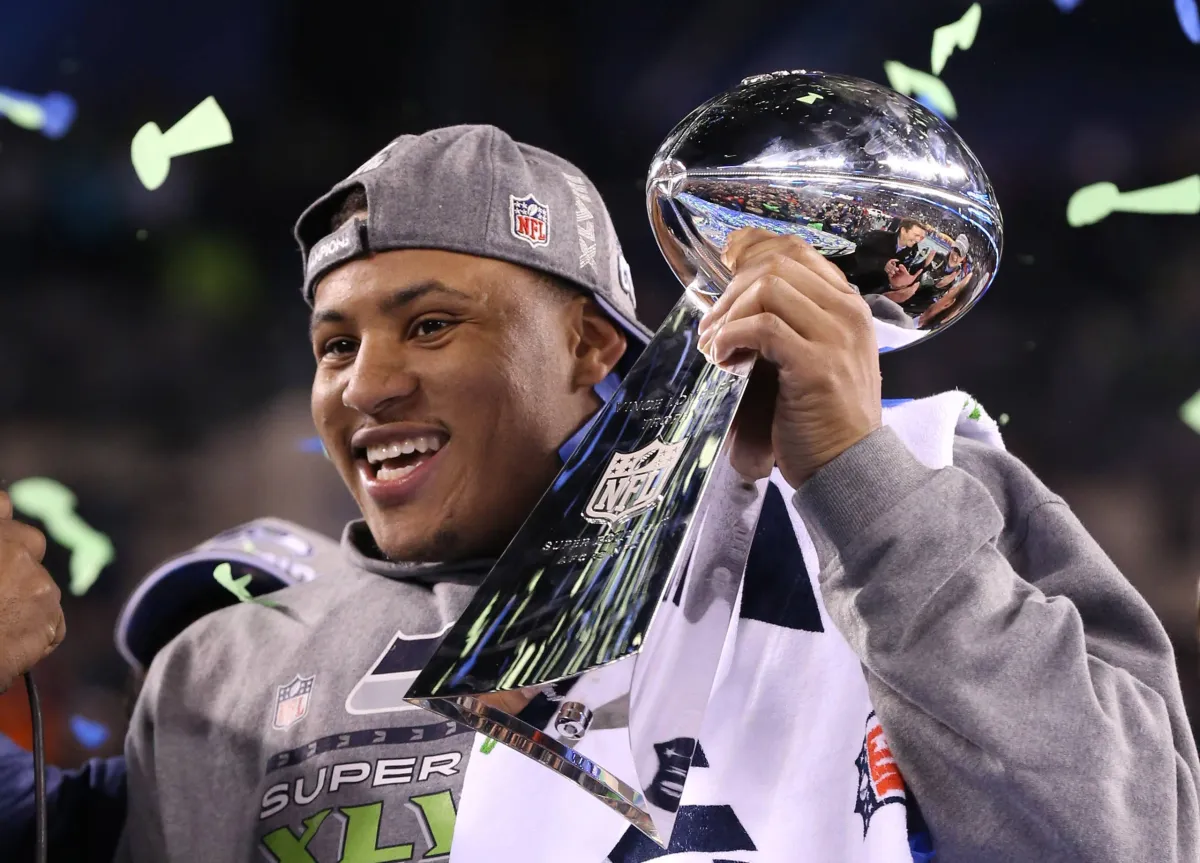 Photo: Super Bowl XLVIII, via thespun.com
The Seahawks received the second-half kickoff and executed an onside kick — unexpected, aggressive, and immediately disorienting. The message was sent in the first thirty seconds: Seattle was not treating the second half as a continuation of the first. They were treating it as a new game they intended to win immediately.
Denver never recovered. The opening of the second half didn't just extend Seattle's lead — it destroyed Denver's belief that they could compete. That's the thing about a brutal start to the second half in the Super Bowl: the psychological damage compounds. You're not just down points. You're down confidence, down composure, and suddenly the whole stadium feels like it's against you.
The NBA Finals and the Opening Possession Ritual
Ask any NBA Finals veteran about the first possession of the third quarter and watch how seriously they take it. It's not a throwaway play. It's a statement.
The 2016 NBA Finals between the Cleveland Cavaliers and Golden State Warriors is remembered for LeBron James's iconic block and Kyrie Irving's championship-winning three. But the turning point of the series — the moment when Cleveland's comeback from 3-1 down became genuinely believable — came in the third quarter openings of Games 5 and 6.
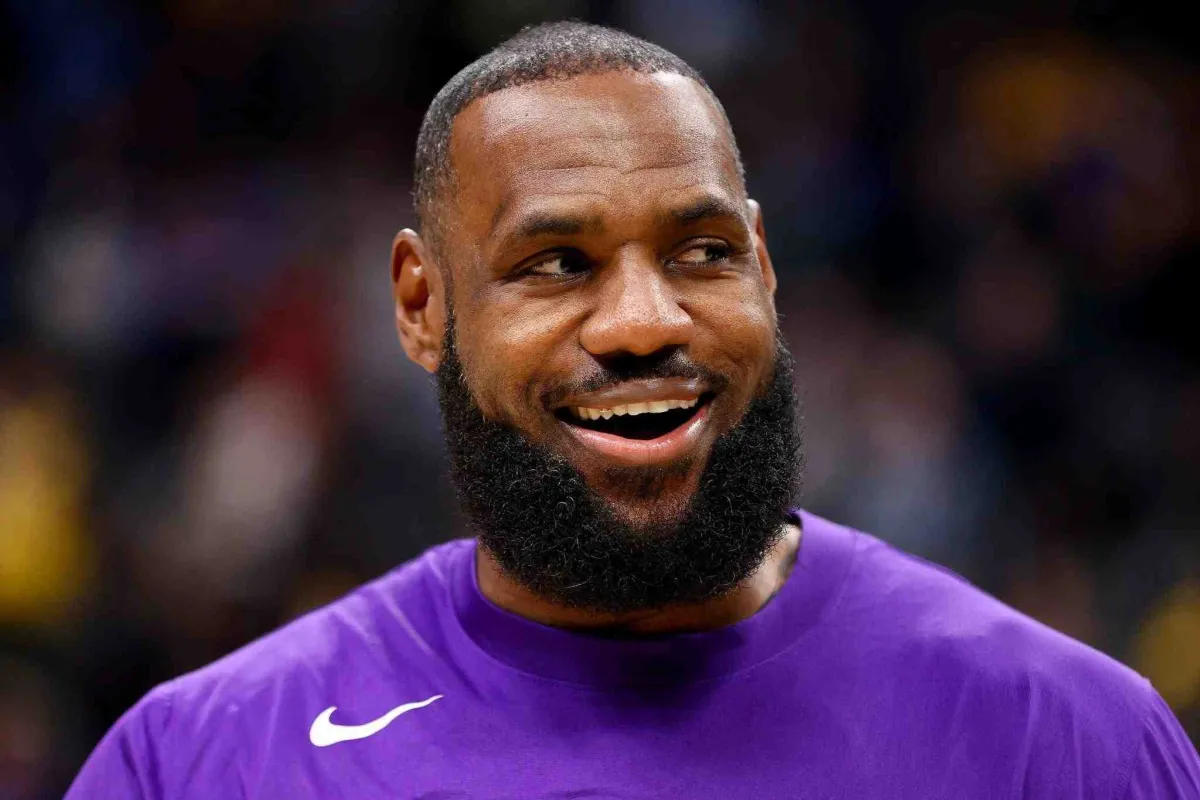 Photo: LeBron James, via www.sportsknot.com
The Cavaliers came out of halftime with a physicality and urgency that the Warriors simply weren't matching. Cleveland won those opening stretches convincingly, and the Warriors — the team that had set an NBA record for regular season wins that year — never quite found their footing again in the series.
LeBron understood this. His preparation for third-quarter openings was legendary. He wasn't just thinking about halftime adjustments in the abstract. He was thinking about the exact first play he wanted to run, the exact tone he wanted to set, the exact message he wanted to send to the other team before they'd even had a chance to breathe.
Hockey's Third Period and the Team That Blinks First
In playoff hockey, the third period opening is its own science. Teams that come out of the second intermission and immediately establish zone time, winning battles along the boards, and generating early pressure almost always win. Teams that come out passive — protecting a lead rather than pressing it — invite disaster.
The Pittsburgh Penguins dynasty teams of the late 2010s were masters of this. Sidney Crosby and Evgeni Malkin were elite at forcing the issue in the opening minutes of the third period, turning close games into comfortable ones before the other team could organize. Their opponents weren't just chasing the score. They were chasing the Penguins' tempo, which is almost impossible to catch once it gets established.
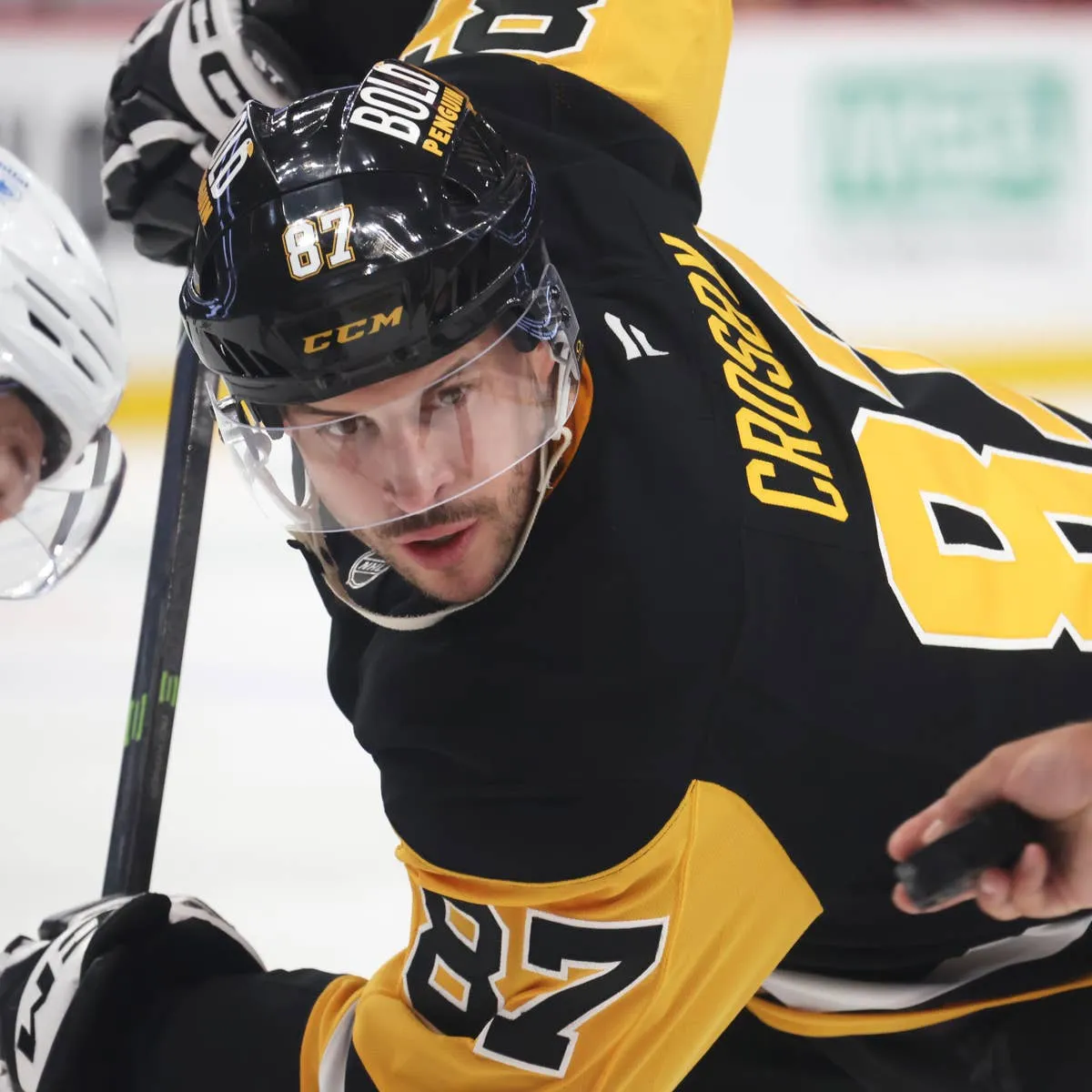 Photo: Sidney Crosby, via athlonsports.com
Coaches across the NHL talk about the third period start the way NFL coaches talk about receiving the second-half kickoff. It's not just about what you do. It's about how fast you do it, and how clearly you signal to the other team that you intend to win.
Why Flat Teams Almost Never Come Back in Big Games
Here's the brutal reality of coming out flat after halftime in a championship game: the hole you dig in those first five minutes is almost uniquely difficult to escape.
In a regular season game, you have time. Leads change. Momentum swings multiple times. But in a Finals or a Super Bowl or a Game 7, the mental weight of every possession is multiplied. A team that gives up an early third-quarter run doesn't just fall behind on the scoreboard — they start second-guessing every adjustment they made at halftime. Did the game plan work? Was the coach wrong? Is the other team just better?
Those questions, once they start circulating in a huddle, are almost impossible to silence. And they almost always start because a team came out of the locker room soft.
What Elite Coaches Actually Do About It
The best coaches in American sports don't spend the last two minutes of halftime talking strategy. They spend it talking about the first possession. The first defensive stop. The first physical battle.
Greg Popovich was famous for this with the San Antonio Spurs. Bill Belichick's teams were historically excellent at second-half openings. The Golden State Warriors under Steve Kerr built their third-quarter reputation — they were so dominant in those opening stretches that the NBA media literally tracked their third-quarter scoring averages as a separate stat.
These coaches understood something that casual fans often miss: the locker room speech is theater. The first five minutes of the second half is the actual test.
Watch for It This Season
Next time you're watching a big game — a playoff matchup, a rivalry clash, anything with genuine stakes — don't look away when the second half starts. Don't grab your phone. Don't top off your drink.
Watch the first five minutes like they're the whole game. Because in every way that actually matters, they might be.