The Art of Getting Out of the Way: Coaches Who Won by Trusting Their Stars
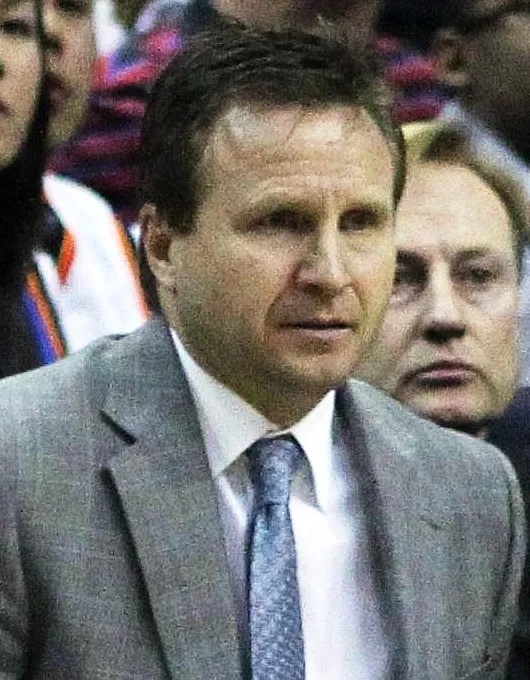
Photo: Scott Brooks and Maurice Cheeks.jpg: Keith Allison from Owings Mills, USA derivative work: Martin tamb (talk), CC BY-SA 2.0, via Wikimedia Commons
Coaching mythology in American sport is built around control. The image we celebrate — the general pacing the sideline, the mastermind with the whiteboard, the chess player who outthinks everyone in the building — places the coach at the center of every victory. And sometimes that's true.
But there's another kind of coaching genius that rarely gets the credit it deserves. It's quieter. It's less photogenic. And it requires something that's genuinely hard for competitive, driven people to do: let go.
The coaches who figured out when to step back and let elite talent take over didn't just win championships. They changed how we think about what great coaching actually looks like.
Phil Jackson and the Sacred Art of Controlled Chaos
Phil Jackson won 11 NBA championships. Eleven. And the dominant narrative around those titles usually focuses on the triangle offense, on his Zen philosophy, on his ability to manage enormous egos. All of that is real. But the part that gets underplayed is how much Jackson's genius was rooted in restraint.
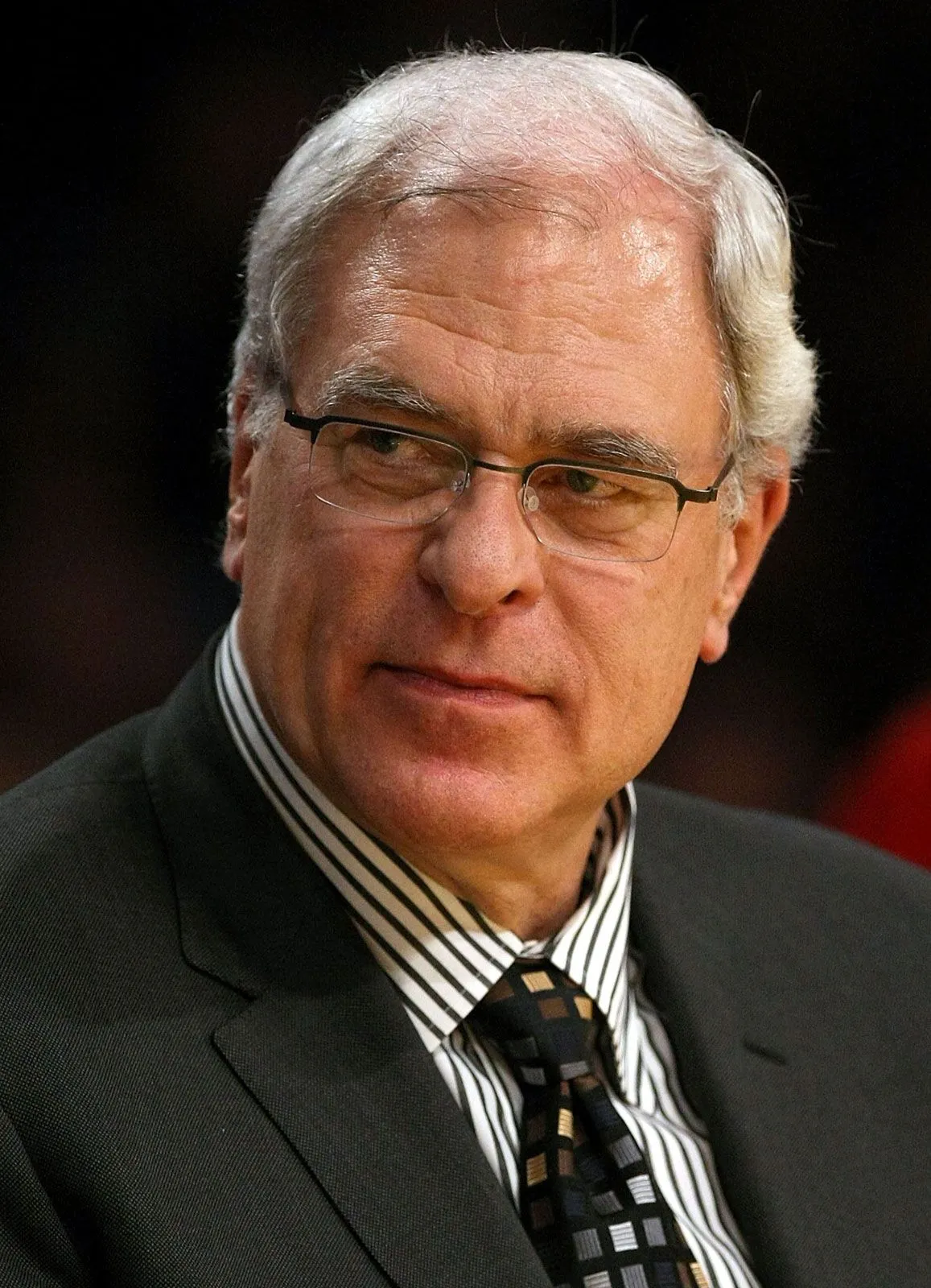 Photo: Phil Jackson, via cdn.britannica.com
With Michael Jordan in Chicago and Kobe Bryant in Los Angeles, Jackson was working with two of the most explosively talented and independently driven players in NBA history. Both of them, at various points in their careers, wanted to take over games entirely — to make every decision, shoot every critical shot, impose their will on the outcome.
Jackson's response wasn't to rein that in. It was to build a system flexible enough to let it happen while keeping the rest of the team functional. The triangle offense wasn't designed to limit Jordan or Kobe. It was designed to create the conditions where, when those players decided to take over, the floor was already spaced and the defense was already tilted.
The result was a coaching philosophy built around the idea that the best play you can draw up is sometimes no play at all — just getting your best player the ball in space and trusting them to figure it out.
Gregg Popovich and the Duncan Paradox
Gregg Popovich is widely considered one of the greatest coaches in NBA history, and his reputation is built largely on his system, his player development, and his legendary bluntness. But look closely at the five championships he won in San Antonio, and a different story emerges.
With Tim Duncan, Popovich had a player so fundamentally sound, so intelligent about the game, and so consistently excellent that the greatest coaching decision Popovich could make on any given possession was to simply get Duncan the ball in the right position and trust what happened next.
Popovich has talked openly about this dynamic. His job, he's said, was to put his players in positions to succeed — not to manufacture outcomes from the bench. With Duncan, that meant building an offense that flowed through the post, protecting him defensively, and then stepping back while one of the most complete players in league history did his work.
The Spurs dynasty wasn't built on complicated schemes. It was built on the recognition that Tim Duncan, given space and trust, would produce winning basketball almost automatically. Popovich was smart enough to know that — and wise enough not to get in the way.
Andy Reid and the Patrick Mahomes Question
Andy Reid spent years in Philadelphia and Kansas City building a reputation as one of the NFL's most creative offensive minds. His playbooks are legendary. His ability to design plays that create mismatches is genuinely elite. And then Patrick Mahomes arrived in Kansas City, and Reid faced a decision that not every coach would make correctly.
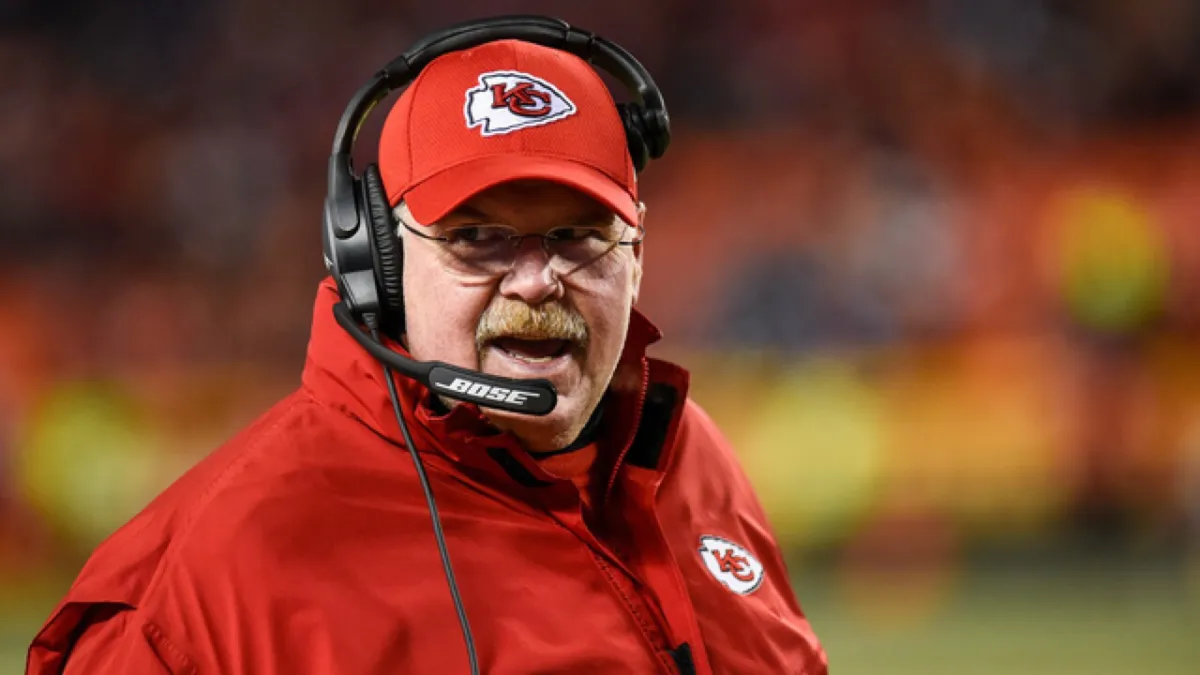 Photo: Andy Reid, via images.daznservices.com
He could have kept Mahomes in a rigid system, forced him to operate within the boundaries of designed plays, and managed him carefully. That's what many coaches would have done with a young quarterback, no matter how talented.
Instead, Reid gave Mahomes freedom. Real freedom. The ability to audible, to improvise, to extend plays and make decisions on the fly that weren't in any playbook because they couldn't be. Reid essentially told one of the most talented quarterbacks in NFL history that his instincts were worth trusting — and then built a supporting cast designed to maximize what those instincts could produce.
The results speak for themselves. Multiple Super Bowl appearances, back-to-back championships, and an offense that defenses still haven't found a consistent answer for. Reid's creativity didn't disappear when Mahomes arrived. It evolved. The best play he ever drew up might be the one where he told his quarterback to just figure it out.
Doc Rivers and the Celtics' Big Three
When the Boston Celtics assembled Paul Pierce, Kevin Garnett, and Ray Allen ahead of the 2007-08 season, the talent was obvious. Three future Hall of Famers, all with something to prove, all capable of taking over games. The question was whether a coach could manage three alpha competitors without any of them feeling diminished.
Doc Rivers solved that problem not through rigid role definition, but through clarity and trust. Each player knew his moments. Each player understood when the game was his to take. And Rivers had the confidence to let those moments unfold organically rather than forcing the ball to a designated closer in every critical situation.
The Celtics won the championship that season. The key wasn't that Rivers out-coached anyone with a brilliant tactical scheme. It was that he created an environment where three elite players trusted each other and trusted him — and when it mattered most, he stepped back and let them be great.
What Great Coaching Actually Looks Like
There's a temptation to measure coaching quality by how much a coach does — by the complexity of their schemes, the number of adjustments they make, the visible intensity of their involvement. But the coaches on this list suggest that the most important quality might be something harder to quantify.
Knowing when you're the smartest person in the room, and knowing when you're not.
Jackson, Popovich, Reid, Rivers — they all had enormous egos, enormous intelligence, and enormous competitive drive. What made them different was their ability to recognize that the player in front of them was capable of something no coach could manufacture. And instead of competing with that, they fed it.
The greatest coaching strategy in modern American sport might just be this: get your best player the ball, get out of the way, and trust what happens next.