Broken But Unbeatable: The Gutted-Out Performances That Defined American Sports

Photo: The President's Office, Maldives, CC BY 4.0, via Wikimedia Commons
Let's be clear upfront: playing through serious injury is not always noble. Sports medicine has advanced enough that we understand the real risks involved, and there's no glory in an athlete permanently damaging their body for a regular-season game in October. Nobody should be pressured into competing hurt.
But then there are the moments — the playoffs, the championships, the once-in-a-career stages — where certain athletes made a different calculation. They looked at the injury, looked at what was at stake, and decided the moment was worth the cost. And sometimes, in those moments, they produced performances that nobody who saw them will ever forget.
This is about those competitors. What they did. And what it tells us about the way elite athletes are wired differently from the rest of us.
The Most Famous Limp in Sports History
If you were alive and watching basketball in 1997, you remember it. Michael Jordan, battling what the Bulls called a stomach virus — later widely reported to be severe food poisoning — somehow suited up for Game 5 of the NBA Finals against the Utah Jazz. The series was tied 2-2. Everything was on the line.
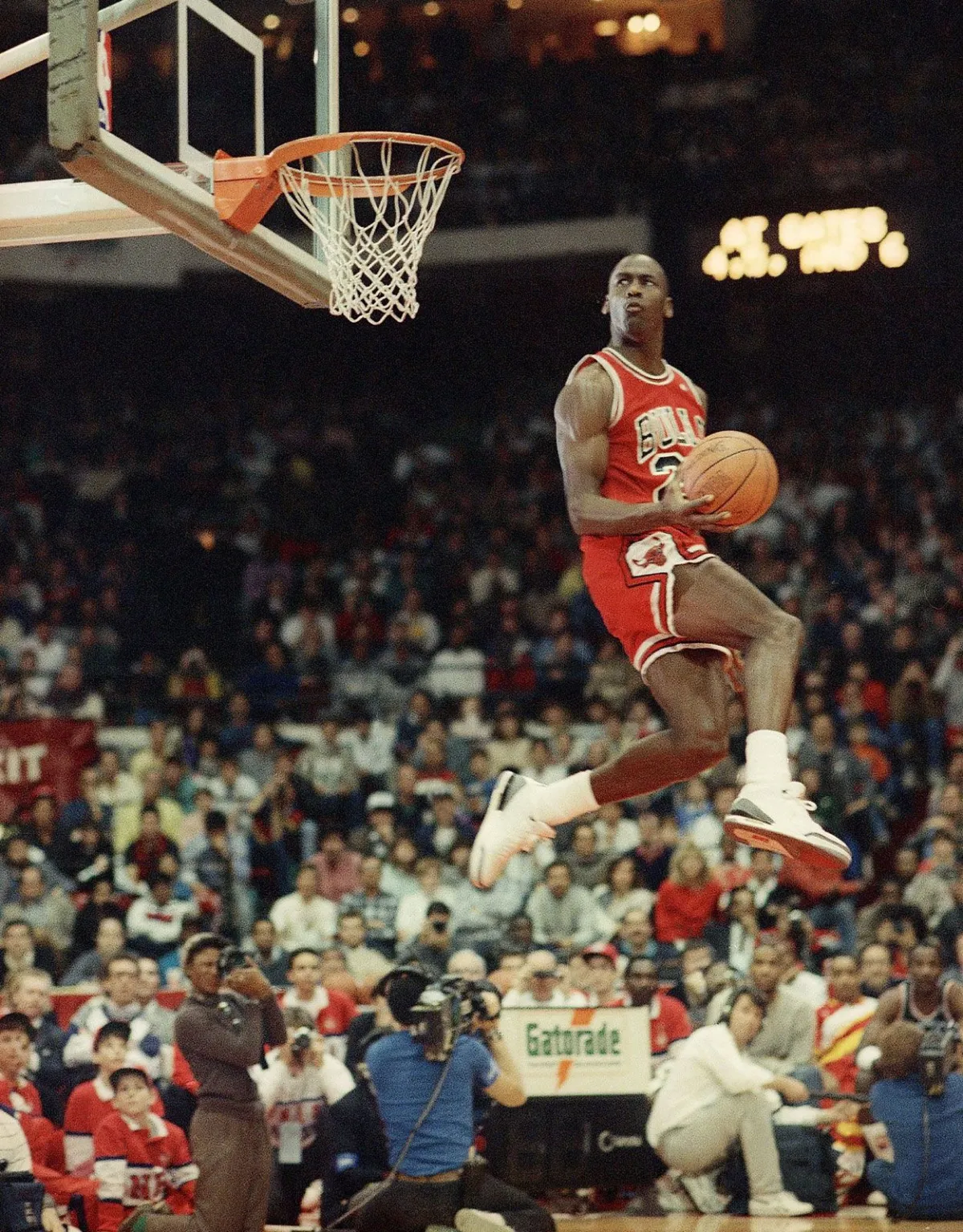 Photo: Michael Jordan, via cdn.britannica.com
Jordan played 44 minutes. He scored 38 points. He hit the go-ahead three-pointer with 25 seconds left. He collapsed into Scottie Pippen's arms at the final buzzer, barely able to stand.
What made the Flu Game iconic wasn't just the performance — it was the visual. Jordan visibly exhausted, clearly suffering, doing things that healthy players couldn't do. It became the definitive image of competitive will: a man running on empty and still somehow filling up the tank when it mattered most.
The debate about whether it was flu or food poisoning has never fully been settled. But the performance? That's not up for debate.
Curt Schilling's Bloody Sock
In October 2004, the Boston Red Sox were trying to end an 86-year World Series drought. They were also trying to complete one of the greatest comeback stories in baseball history, having rallied from 3-0 down against the Yankees in the ALCS.
 Photo: Curt Schilling, via media-cldnry.s-nbcnews.com
Curt Schilling was their best pitcher. He was also dealing with a torn tendon sheath in his right ankle — an injury that made throwing a baseball genuinely agonizing. The Red Sox medical staff performed an experimental procedure to suture the tendon in place, reducing movement and theoretically allowing Schilling to pitch through the pain.
He took the mound for Game 6 of the ALCS and threw seven innings of one-run ball. By the end, the blood from his ankle had soaked through his white sock, visible to everyone in the stadium and everyone watching at home. Boston won the game. They went on to win the series. They went on to win the World Series.
The bloody sock became a symbol — not just of toughness, but of what it looks like when an athlete refuses to let their body's limitations become the story. Schilling pitched hurt, bled in public, and delivered. The sock ended up in the Baseball Hall of Fame.
Kerri Strug and the Vault That Didn't Need to Happen
The 1996 Atlanta Olympics. The US women's gymnastics team was on the verge of winning team gold — the first American women's team to do so. Kerri Strug stepped up for her vault attempt and landed awkwardly, tearing two ligaments in her ankle.
She had one vault remaining. Her coaches, the crowd, and the entire country watching on television held their breath. Strug ran, launched, stuck the landing on one foot, and immediately crumpled. She had to be carried to the podium.
It was later revealed that the US likely would have won gold even without that second vault — a detail that complicates the narrative somewhat. But in the moment, nobody knew that. What the country saw was a teenage athlete in obvious pain choosing to compete anyway, and sticking it. The image of coach Béla Károlyi carrying her to receive her medal became one of the defining photographs of that Olympics.
Willis Reed Walks Out of the Tunnel
Go back to 1970. The New York Knicks were in Game 7 of the NBA Finals against the Los Angeles Lakers. Willis Reed, the Knicks' center and best player, had torn a muscle in his thigh during Game 5 and hadn't played since. Nobody expected him to suit up.
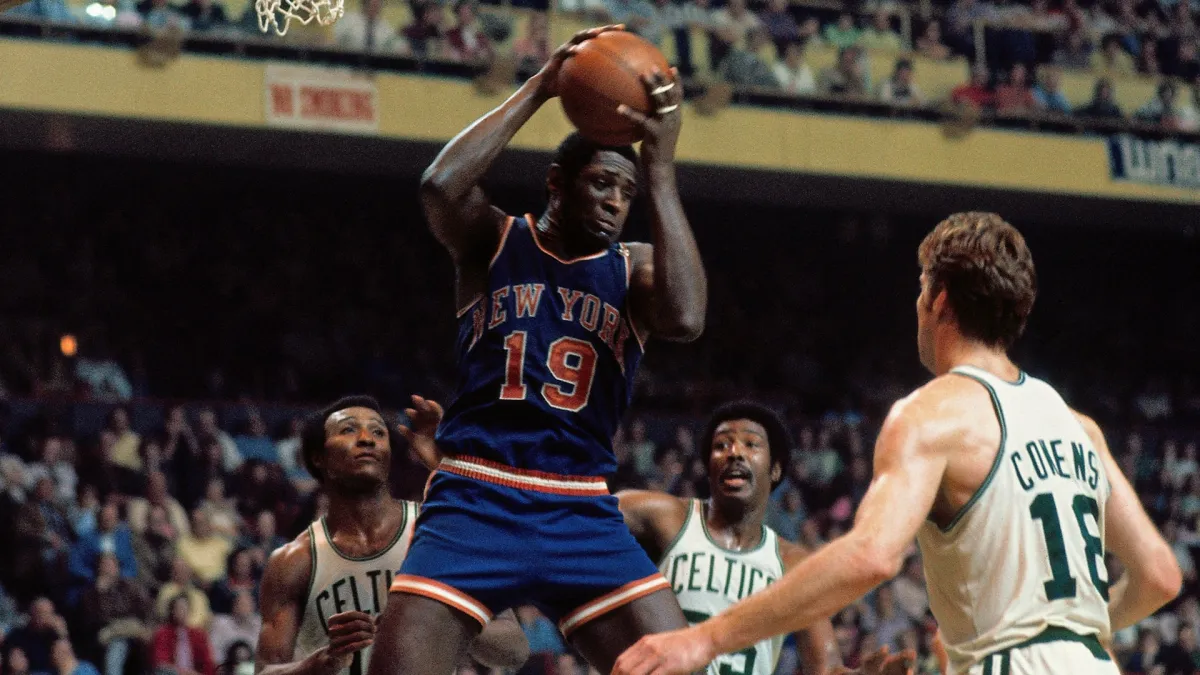 Photo: Willis Reed, via cdn.nba.com
And then he walked out of the tunnel.
Madison Square Garden erupted. The Lakers, who had been warming up, stopped and watched. Reed scored the game's first two baskets — the only points he would score all night — and then spent the rest of the game doing what he could on a body that was running on adrenaline and willpower. Walt Frazier dropped 36 points and 19 assists to seal the win.
But the moment that people remember is Reed's entrance. The electricity of it. The way his presence alone seemed to change the emotional math of the game. It's one of the most powerful examples in sports history of a competitor's sheer refusal to disappear when the stage is biggest.
What Drives Them?
Sports psychologists have spent a lot of time trying to understand what separates the athletes who compete through injury from those who (sensibly) sit out. The answer isn't simple.
Part of it is pain tolerance — elite athletes genuinely process pain differently than the general population, both physically and mentally. Part of it is competitive identity: for some athletes, sitting on the sideline for a game that matters feels more painful than the physical injury itself.
But a big part of it is also about the moment. Jordan, Schilling, Strug, Reed — they all made a calculation that the stakes of that specific situation were worth the physical cost. Not every game. Not every series. But this one.
That's the thing about these performances that resonates so deeply with fans. We understand, instinctively, what it means to push through something difficult because the moment demands it. Most of us have never torn a ligament or battled food poisoning in front of millions of people. But we've all had moments where we had to decide whether to show up anyway.
Watching elite athletes make that choice — and then deliver — reminds us of something we want to believe about human beings in general. That when it really counts, we find something extra.
Sometimes it's just there, waiting to be used.