Beyond the Border: Why American Sports Fans Are Suddenly Obsessed With Leagues They Used to Ignore

Photo: Emily Kulich/Melbourne Press Club, CC BY 4.0, via Wikimedia Commons
Not long ago, the American sports fan had a pretty clearly defined universe. NFL Sundays. NBA playoffs. College football Saturdays. Baseball in the summer. Maybe some NHL if you lived in the right city.
International sport existed, vaguely, somewhere out there. The World Cup showed up every four years and briefly took over every bar in the country. The Olympics came and went. But week-to-week engagement with overseas leagues? That was a niche thing — for immigrants keeping tabs on home, or die-hard enthusiasts who'd picked up a foreign sport in college.
That's not the world we're living in anymore.
American sports fans are increasingly, enthusiastically, and sometimes obsessively tuning into competitions that a decade ago would have felt completely foreign. And the reasons why are as fascinating as the sports themselves.
Saturday Mornings Have a New Soundtrack
Ask anyone who's gotten into English Premier League soccer in the last five years how it started and you'll hear a variation of the same story: a friend dragged them to a bar at 7:30am on a Saturday, there was good beer and incredible atmosphere, and something clicked.
 Photo: English Premier League, via spicaktalk.co.in
The Premier League has become the gateway drug for American international sports fandom. It's fast, it's physical, the storylines are genuinely dramatic, and the fan culture — from the chants to the rivalries to the sheer spectacle of a packed English stadium — translates beautifully to an American audience that already understands how to love a team with irrational intensity.
NBC's broadcast deal brought the league into mainstream American living rooms, but it was the rise of streaming and the explosion of soccer-specific bars and supporter clubs across US cities that turned passive viewers into genuine fans. There are now American supporters groups for clubs in cities those fans will never visit, cheering for players they've only ever seen on a screen.
And they're completely, unapologetically obsessed.
The Algorithm Did This
Streaming and social media deserve enormous credit — or blame, depending on your perspective — for the international sports explosion.
When a cricket batter hits a six that travels 100 meters and the clip goes viral on Instagram, millions of Americans who have never thought about cricket see it. When a rugby player takes a hit that would end most people's will to live and pops back up to play on, that clip circulates through every sports-adjacent corner of the internet.
These moments don't need context to be compelling. They're just extraordinary athletic feats, and the algorithm doesn't care what sport they're from. It just serves you what gets a reaction.
For a lot of American fans, the journey into international sport started with a single viral clip. Then they went looking for more. Then they found a streaming platform that had the whole league. Then they had a favorite team. Then they were setting 6am alarms on weekdays to catch a match.
The pipeline from casual viewer to devoted fan has never been shorter or faster.
Rugby Is Having Its American Moment
Rugby union — specifically the Six Nations tournament and club competitions like the Champions Cup — has quietly built a passionate and growing American audience. The sport shares enough DNA with football to feel immediately accessible (big hits, territorial battles, genuine physicality) while offering something genuinely different in its flow and structure.
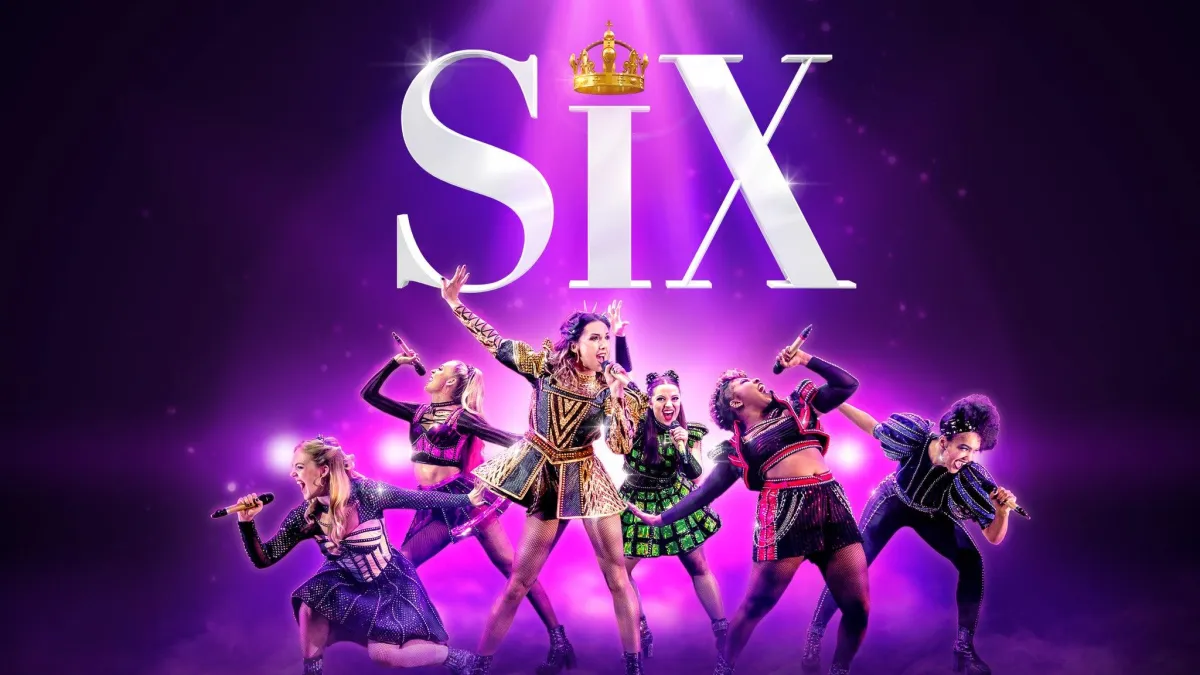 Photo: Six Nations, via wallpaperaccess.com
The emergence of Major League Rugby as a domestic competition has helped, giving fans a local entry point. But plenty of American rugby fans are just as invested in what's happening in England, Ireland, South Africa, and New Zealand as anything happening stateside.
The Rugby World Cup, which draws global viewership comparable to many major American sporting events, has become a legitimate appointment-viewing occasion for a growing slice of the US sports audience. When the All Blacks do their pre-match haka, American fans who couldn't have named a single rugby player three years ago feel genuine goosebumps.
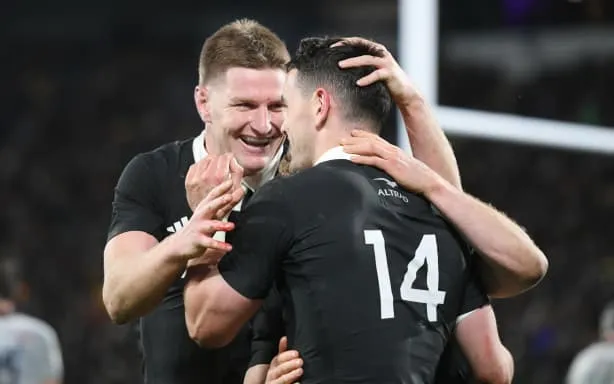 Photo: All Blacks, via media.rnztools.nz
That's not a small thing.
International Basketball Is Quietly Enormous
The NBA's global roster is perhaps the most underappreciated driver of American interest in international basketball. When fans follow players they love in the NBA — Nikola Jokić, Luka Dončić, Giannis Antetokounmpo — it creates a natural curiosity about where those players came from and what basketball looks like in their home countries.
EuroLeague games, FIBA World Cup tournaments, and Olympic basketball now draw American viewers who are there specifically to watch their favorite players represent their home nations. The experience of seeing Jokić play for Serbia or Dončić play for Slovenia, in a different tactical system, against different competition, is genuinely fascinating — and it's introduced American fans to a whole ecosystem of international basketball talent they'd never have discovered otherwise.
The Basketball World Cup, held in 2023 with Team USA falling short of gold, generated the kind of American sports media coverage that would have been unthinkable for an international basketball tournament fifteen years ago.
Cricket's Unlikely Foothold
Okay, this one might surprise you. But cricket is genuinely making inroads with American sports fans, and it's not happening through the traditional five-day Test match format.
T20 cricket — the short-form version of the game, where matches last three to four hours and feature explosive hitting, high scores, and constant action — is essentially a sport designed for the streaming era. The IPL (Indian Premier League) is one of the most-watched sporting competitions on earth, and as the Indian-American community in the US has grown, so has domestic cricket interest.
Major League Cricket launched in 2023 as a professional T20 competition on American soil, with franchises in cities like Dallas, New York, and Los Angeles. The sport isn't mainstream yet — not even close — but the trajectory is real, and the viral moments keep coming.
What This Says About American Sports Fandom
For a long time, the stereotype of the American sports fan was someone who only cared about domestic leagues and had little patience for anything that didn't fit the familiar template. That stereotype was probably always a bit unfair, but it's increasingly obsolete.
Today's American sports fan is curious, connected, and completely capable of holding passionate opinions about a Manchester City transfer window and a Dallas Cowboys roster decision in the same conversation.
The borders that once defined American sports fandom are dissolving — not because domestic leagues are losing their grip, but because the world has simply gotten smaller. The sports are right there, one click away, available at any hour, served to you by an algorithm that knows exactly what kind of highlight will make you stop scrolling.
American fans didn't go looking for international sport. International sport found them. And it turns out, they're loving every minute of it.