Where Dreams Go to Die: The Most Intimidating Home Courts in American Sports
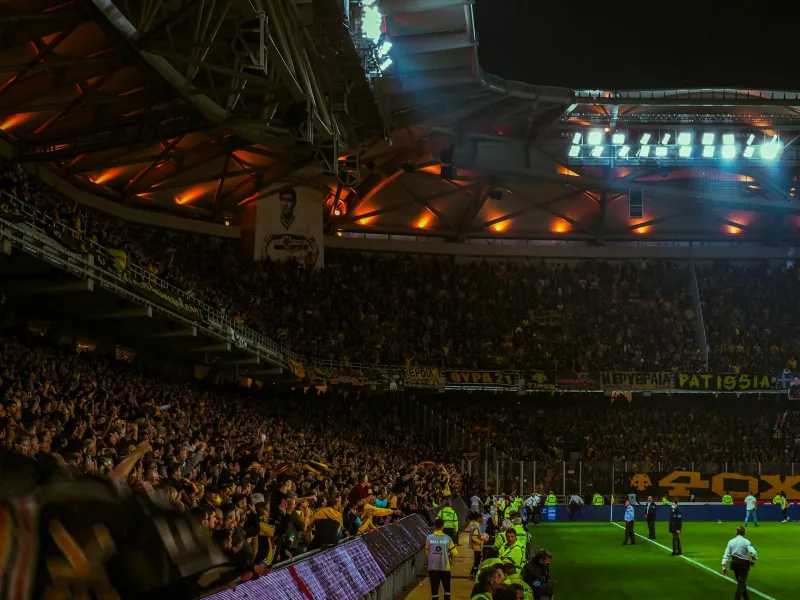
Some places just hit different. You can feel it the moment you walk through the tunnel — the weight of history, the electricity in the air, and the unmistakable sense that you're about to enter someone else's world where the normal rules don't apply.
These aren't just home venues with good crowds. These are psychological warfare zones disguised as sports facilities, places where visiting teams show up already defeated and leave wondering what the hell just happened to them.
Cameron Indoor Stadium: Where Sanity Goes to Die
Duke's Cameron Indoor Stadium holds just 9,314 people, but those 9,314 people sound like 50,000 when they want to. The building was designed in 1940, back when architects apparently thought "acoustics" meant "let's make this place sound like the inside of a jet engine."
 Photo: Cameron Indoor Stadium, via coloringhome.com
The famous Cameron Crazies don't just cheer — they conduct psychological operations. They research opposing players' personal lives, create elaborate signs targeting specific insecurities, and coordinate chants that would make military interrogators proud. When Grayson Allen was getting death threats from other schools' fans, the Crazies made t-shirts about it.
Visiting players talk about the sensory overload: the crowd is literally on top of you, screaming things they probably shouldn't know about your girlfriend, your grades, or that embarrassing thing you did in high school. The court is smaller than most college venues, the lighting is harsh and unforgiving, and every mistake gets amplified by thousands of very smart, very loud teenagers who've been planning your psychological destruction for weeks.
Former North Carolina star Tyler Hansbrough once said playing at Cameron felt like "being inside a washing machine filled with angry bees." That might be the most accurate description anyone's ever given.
Death Valley: Where Sound Goes to Die (And So Do Quarterbacks)
Clemson's Memorial Stadium earned its nickname honestly. When 81,500 Tiger fans get rolling, the noise doesn't just get loud — it becomes a physical force that visiting teams can feel in their chest cavities.
The stadium's design creates a natural amplification effect, trapping sound and bouncing it back onto the field. During big games, the decibel readings regularly hit 120 — louder than a jet taking off, loud enough to cause permanent hearing damage, loud enough to make veteran quarterbacks forget their own names.
But the real psychological warfare happens before kickoff. Clemson players touch Howard's Rock and run down "The Hill" while 80,000 people lose their collective minds, creating a wall of orange and purple that visiting teams have to march through to reach their sideline. Former players describe it as walking into hell while everyone's excited to see you burn.
The most telling stat about Death Valley: Clemson is 23-3 in night games since 2015. When the sun goes down and the lights come up, something primal awakens in that stadium that makes even elite college football programs look like they're playing their first game.
Madison Square Garden: The Mecca That Eats Dreams
MSG isn't the loudest arena in the NBA, and it's definitely not the newest. But it's the one place where visiting superstars still get starstruck, where the ghosts of basketball legends seem to whisper in your ear during free throws, and where New York crowds can smell fear from 200 feet away.
The arena sits on top of Penn Station, so the entire building vibrates when trains pass underneath. The lighting is harsh, the sight lines are weird, and the crowd includes everyone from Wall Street executives who know more about basketball than most coaches to lifelong Knicks fans who've been perfecting their heckling techniques for decades.
Players talk about the energy being different at MSG — heavier, more intense, like the building itself is judging your performance. When Reggie Miller was torching the Knicks in the '90s, he said he could feel the hatred radiating from every seat, and it made him play better. Most players don't have Reggie's psychotic confidence.
The most famous visiting player meltdown in MSG history might be when Kobe Bryant got so frustrated with the crowd in 2009 that he started arguing with fans in the front row during a timeout. Kobe Bryant — the man who thrived on pressure — let MSG get inside his head.
Allen Fieldhouse: Where Basketball Was Born to Die
Kansas built Allen Fieldhouse in 1955 with one goal: make visiting teams as uncomfortable as humanly possible. The student section sits directly behind the visiting bench, close enough to read the coach's clipboard and comment on his play-calling in real time.
 Photo: Allen Fieldhouse, via idposter.com
The building holds 16,300 people who genuinely believe basketball was invented for their personal entertainment. They show up two hours early, stay two hours late, and spend the entire game conducting a master class in coordinated psychological warfare. The famous "Rock Chalk" chant doesn't just sound intimidating — it creates an actual rhythm that visiting teams start unconsciously following, screwing up their offensive timing.
But the real secret weapon is the history. Allen Fieldhouse has hosted more legendary games, more iconic moments, and more crushing defeats than any other college basketball venue. Visiting players can feel the weight of all those ghosts the moment they step on court.
Former Oklahoma State coach Eddie Sutton once said that playing at Allen Fieldhouse was like "trying to coach inside a tornado while 16,000 people question your ancestry." His teams went 2-18 there during his career.
Arrowhead Stadium: Where Quarterbacks' Dreams Come to Die
Arrowhead Stadium holds the Guinness World Record for loudest outdoor sports venue at 142.2 decibels — loud enough to rupture eardrums, loud enough to trigger car alarms in the parking lot, loud enough to make visiting quarterbacks call timeout just to think.
 Photo: Arrowhead Stadium, via s1.pictoa.com
The Chiefs' crowd doesn't just make noise — they weaponize it. They know exactly when to get loud (third down, two-minute warning, whenever the opposing offense looks comfortable) and when to shut up (when Kansas City has the ball). It's like having 76,000 defensive coordinators working in perfect coordination.
Visiting teams talk about the physical sensation of playing at Arrowhead: the ground shakes, your helmet vibrates, and the noise creates a pressure in your ears that makes it impossible to think clearly. Quarterbacks have to use silent counts, which throws off their timing with receivers and makes audibles nearly impossible.
The most telling stat about Arrowhead's intimidation factor: since 2015, visiting teams average 2.3 fewer points per game there than they do on neutral fields. That might not sound like much, but in the NFL, 2.3 points is the difference between winning and losing about 40% of games.
The Psychology of Intimidation
What makes these venues special isn't just the noise or the crowds — it's the way they get inside visiting teams' heads before the game even starts. Players start thinking about the atmosphere weeks in advance, coaches spend extra time preparing for the crowd noise, and by the time game day arrives, half the psychological battle is already lost.
The best visiting players learn to embrace these environments, to use the hostility as fuel instead of letting it overwhelm them. But for every player who thrives under that kind of pressure, there are ten who shrink from it.
These five venues have perfected the art of home-field advantage, turning their crowds into the sixth man, the 12th defender, the invisible force that changes games before the first snap or tip-off. They're not just places where sports happen — they're places where legends are made and visiting teams' dreams go to die.
In an era of corporate sponsorships and sanitized fan experiences, these venues remain beautifully, brutally authentic. They're reminders that some advantages can't be bought or built — they have to be earned, one devastating home victory at a time.