Closing Time: Why the Final Quarter Separates Champions From Pretenders
There's a moment in almost every big game where the scoreboard feels like a lie. A team that looked completely in control suddenly can't stop the bleeding. A squad that spent three quarters getting outplayed finds something in the tank nobody knew was there. The final quarter — whether it's the fourth in the NFL or the NBA, or the second half's closing stretch in college ball — doesn't just decide games. It defines teams.
And the best ones in America? They've figured out how to own it.
The Myth of the "Safe" Lead
Ask any serious sports fan and they'll tell you: a lead heading into the fourth quarter isn't a guarantee. It's an invitation for chaos.
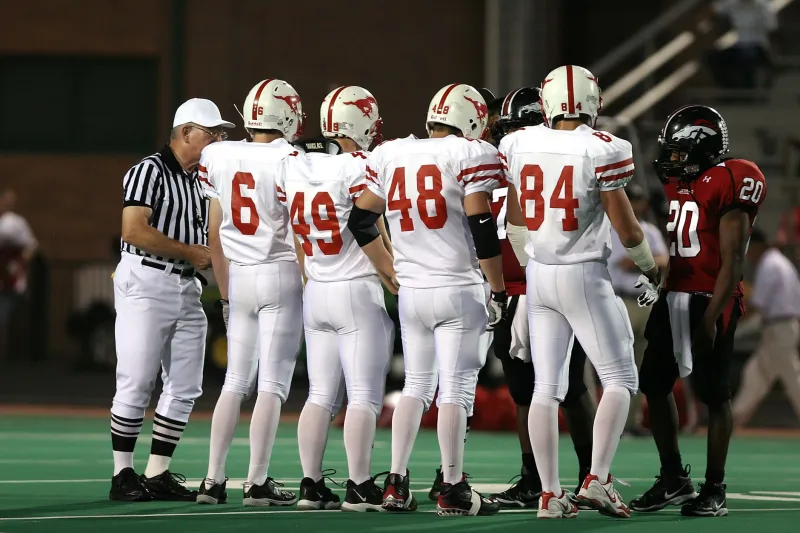
The NFL has been proving this for years. Teams that enter the fourth quarter with a two-score lead win roughly 80 percent of the time — which sounds great until you remember that means one in five of those games ends in heartbreak. And in a league built on momentum swings, one punt return, one strip sack, one inexplicable pass interference penalty, and suddenly the whole complexion of a game shifts in three minutes flat.
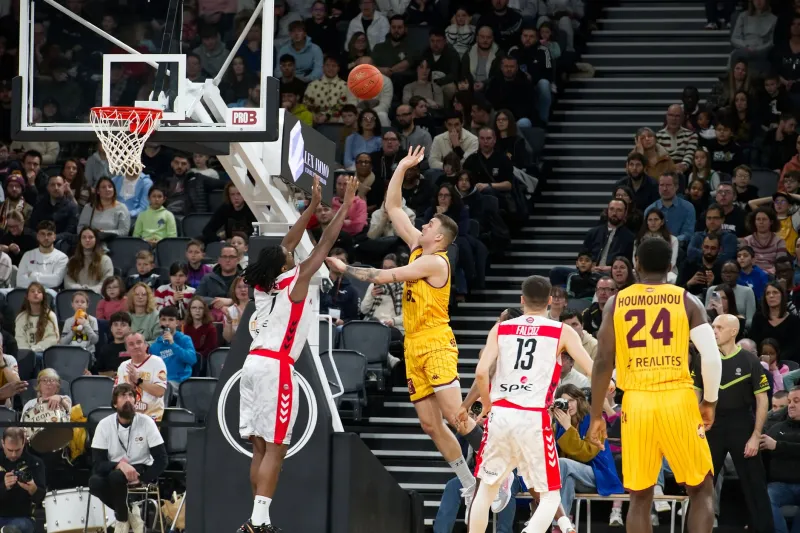
The NBA is even more brutal about it. Coaches will openly tell you that the first three quarters are largely about positioning — staying close enough that the fourth quarter becomes a real conversation. The Golden State Warriors dynasty was built almost entirely on this philosophy. They'd play just well enough to stay in reach, then detonate in the final 12 minutes when the defense tightened, the ball movement clicked, and everyone else started pressing.
That's not luck. That's conditioning — mental and physical — for the moment that matters most.
What Actually Changes in the Final Minutes
Here's what casual fans sometimes miss: the fourth quarter isn't just the same game with less time on the clock. It's a completely different environment.
Fatigue is the obvious factor. Players who looked explosive in the first half are running on fumes. Legs get heavy, reaction times slow, and the margin for error collapses. In the NFL, offensive linemen who were stonewalling pass rushers in the second quarter suddenly can't hold their blocks for an extra half-second. In the NBA, a guard who was hitting pull-up jumpers all night starts releasing a fraction late.
But the mental shift is where it gets really interesting.
Teams with leads start playing not to lose. It's one of the most documented phenomena in sport — the moment a comfortable lead triggers a defensive, cautious mindset that paradoxically makes the lead harder to hold. Play-calling gets conservative. Shots get passed up. Aggression evaporates. And the trailing team, with nothing to lose, starts playing with a freedom that the leading team has quietly abandoned.
The teams that close games well have found a way to fight that instinct. They keep attacking. They stay in the same rhythm that built the lead in the first place. The Kansas City Chiefs under Patrick Mahomes became almost mythologically good at this — not because they had some secret fourth-quarter formula, but because Mahomes plays the same way at 28–7 as he does at 28–21. The score doesn't change his approach. That consistency is rarer than it sounds.
The Collapse Side of the Coin
Of course, for every team that closes well, there's another that makes you question everything you watched for the previous three hours.
College football has produced some of the most spectacular fourth-quarter collapses in American sports history, and recent seasons haven't been shy about adding to that list. Programs that build double-digit leads in marquee games only to watch their defensive schemes get picked apart in the closing stretch. Quarterbacks who looked untouchable suddenly forcing throws into coverage because the clock is screaming at them.
What's fascinating about these collapses isn't the talent gap — it's almost never about talent. It's about systems and composure. Teams that haven't been tested in close games all season often don't know how to behave when the game gets tight. They haven't built the muscle memory for it. When pressure hits, they don't have a reliable playbook for their own nerves.
The NBA playoffs expose this every single spring. Regular season records mean very little once the fourth quarter of a playoff game arrives and a team discovers — often for the first time — what it actually feels like to have a season on the line with four minutes left.
The Teams Getting It Right
So what separates the closers from the chokers?
Experience is a big part of it. Teams that have been in tight fourth quarters repeatedly — and won some, lost some — develop a kind of institutional knowledge about how to handle the final stretch. They've felt the panic, processed it, and learned to move through it rather than freeze.
Coaching matters enormously here too. The best fourth-quarter coaches aren't necessarily the ones with the most creative play designs. They're the ones who keep their players calm, make the right substitutions at the right time, and know when to call a timeout that stops momentum versus when to let the game breathe. That's a feel that can't be taught from a whiteboard.
And then there's the player who simply refuses to let the moment be bigger than they are. Every great closing team has one. The point guard who wants the ball when it's tied with 30 seconds left. The quarterback who looks more comfortable in a two-minute drill than in a scripted opening drive. The wide receiver who runs a crisper route in the fourth quarter than the first because they know the stakes.
Watch the Final Quarter Differently
Next time you're watching a game and the fourth quarter rolls around, try something. Forget the score for a moment and just watch the body language.
Which team looks like they want to be there? Which quarterback is scanning the field with confidence and which one is scanning it with fear? Which defense is flying around making plays and which one is hoping the other team makes a mistake?
The scoreboard will catch up to what you're seeing. It always does.
The best teams in America don't just play four quarters. They play all the way through the fourth quarter — right up until the final whistle. That distinction, as small as it sounds, is the whole ballgame.