When the Final Numbers Lie: Five Sports Where the Score Hides the Real Story
Every sports fan has been there. You watch your team absolutely dominate for two hours, outshooting the opponent 25-3, controlling every aspect of the game, only to lose 1-0 on a fluke deflection in the 89th minute. Meanwhile, casual observers checking ESPN later think it was a tight, evenly matched contest.
Welcome to the beautiful frustration of sports where the final score is basically meaningless.
Soccer: Where Possession Means Nothing and Everything
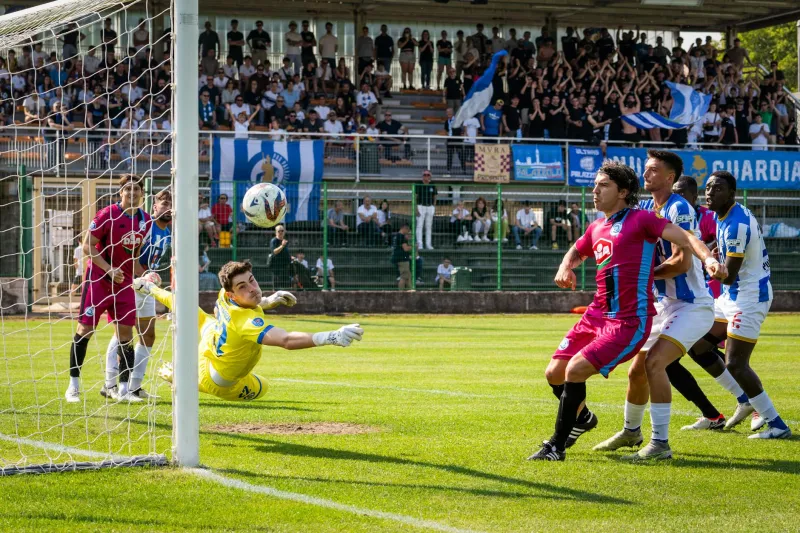
Soccer might be the worst offender when it comes to misleading scoreboards. A team can control 70% of possession, take 20 shots to their opponent's 3, and still lose 2-1 because the other goalkeeper decided to have the game of his life.
Take Spain's shocking loss to Russia in the 2018 World Cup. Spain had 78% possession and took 25 shots. Russia managed 6 shots total. Final score: Russia won on penalties after a 1-1 draw. If you just saw "Russia beats Spain" in the headlines, you'd assume the underdogs played out of their minds. In reality, Spain hit everything but the net while Russia's keeper turned into a brick wall.
The beautiful game's cruel irony is that the team playing beautiful soccer often goes home early, while the team that spent 90 minutes defending desperately gets the trophy. It's why hardcore soccer fans always check the shot charts before celebrating or mourning.
Boxing: One Punch Can Erase 11 Rounds of Beatdown
Boxing scoreboards are basically fiction when knockouts get involved. A fighter can lose every single round, get battered from pillar to post, then land one perfect counter-punch in the 12th round and suddenly he's the champion.
Buster Douglas destroying Mike Tyson in 1990 is the perfect example. For most of the fight, it looked like vintage Tyson – aggressive, intimidating, landing the harder shots. Then Douglas caught him with that perfect uppercut-right hand combination in the 10th round, and suddenly the most dominant heavyweight in history was counting ceiling tiles.
 Photo: Buster Douglas, via www.mochilerosviajeros.com
 Photo: Mike Tyson, via dgbstore.blob.core.windows.net
The final record shows "Douglas KO 10." It doesn't show that Tyson was winning on all three scorecards before hitting the canvas. It doesn't capture the 30 minutes of boxing that came before that one perfect moment.
Hockey: When Goalies Become Brick Walls
Hockey might have the most misleading final scores in all of sports. A team can fire 45 shots at the net, spend entire periods in the offensive zone, and lose 2-1 because the other team's goalie channeled his inner brick wall.
The 2012 Stanley Cup Finals perfectly illustrated this madness. The Los Angeles Kings outshot the New Jersey Devils 32-15 in Game 1, dominated puck possession, and lost 2-1. Martin Brodeur stood on his head, making saves that defied physics. If you only saw the score, you'd think it was an evenly matched defensive battle. In reality, it was one goalie stealing a game his team had no business winning.
 Photo: Martin Brodeur, via i.pinimg.com
This is why hockey fans obsess over advanced stats like Corsi and Fenwick. They learned long ago that goals can lie, but shot attempts usually tell the truth about who controlled the game.
Baseball: When Clutch Hitting Beats Everything
Baseball's scoring system creates some of the most misleading final scores in sports. A team can collect 12 hits and strand 10 runners, while their opponents get 4 hits but drive in runs when it matters. Final score: 4-1 for the team that barely touched the ball.
The 2014 World Series Game 7 between the Giants and Royals epitomized this perfectly. Kansas City outhit San Francisco 8-4 and had multiple scoring opportunities. But the Giants got timely hits when runners were in scoring position, while the Royals kept stranding baserunners. San Francisco won 3-2, and casual fans assumed it was a close, back-and-forth battle. In reality, Kansas City controlled most of the game but couldn't deliver the big hit.
Basketball: When Defense Becomes Invisible
Basketball scores usually reflect the flow of the game pretty accurately, but not always. Sometimes a team shoots 25% from three-point range because they're taking terrible shots, and sometimes they shoot 25% because the defense is suffocating them on every possession.
The 2004 NBA Finals between Detroit and Los Angeles perfectly illustrated this. The Lakers had Shaq, Kobe, Karl Malone, and Gary Payton – a lineup that should have scored 110 points per game. Instead, they averaged 81 points and lost the series 4-1. The final scores made it look like Detroit just played better offense. In reality, the Pistons played some of the most suffocating defense in NBA history, turning superstars into ordinary players.
The Real Story Lives in the Details
These misleading scores remind us why sports are so captivating and frustrating. The team that "deserved" to win doesn't always get the trophy, and sometimes the better performance gets buried under an ugly final number.
For casual fans, this is a reminder to dig deeper than the scoreboard. The real story of any game lives in the shot charts, the possession stats, and the moments when everything almost went differently. Because in sports, sometimes the final score is just the beginning of the conversation.
The next time you see a surprising result, remember: the numbers on the scoreboard might be lying. The real story is usually much more interesting.